Mansaf, knafeh & mint tea: a guide to Jordanian food
What to order, where to find the best of it, and how to eat mansaf — Jordan's national dish — the proper local way. Plus knafeh, falafel and mint tea.
Jordanian food is generous, slow and built for sharing. You will be fed well, and often more than you can finish — refusing a second helping politely is a skill worth practising before you arrive.
Mansaf: the national dish
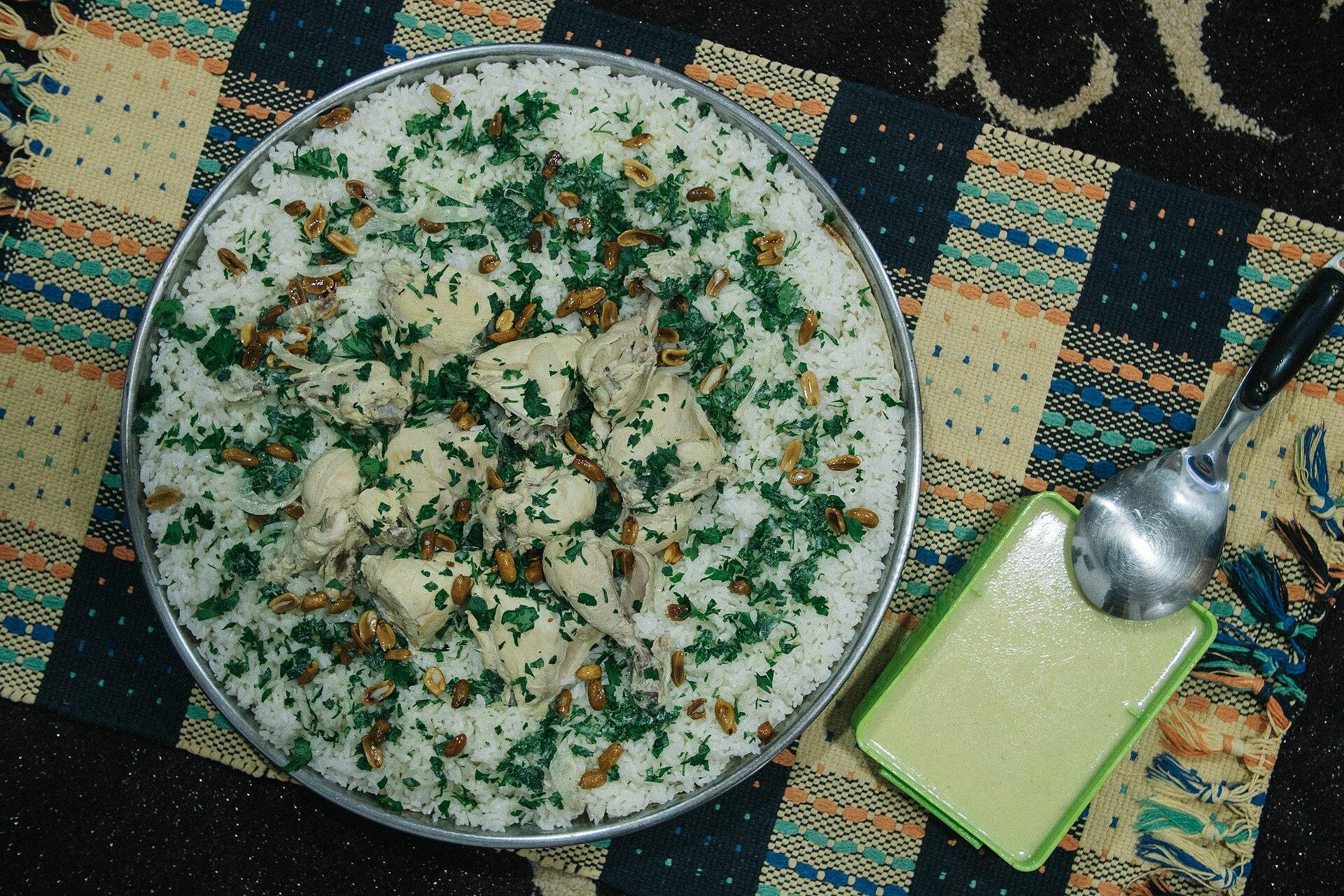
Mansaf is the centre of Jordanian hospitality: lamb cooked in a fermented dried-yoghurt sauce called jameed, served over rice and flatbread, finished with toasted almonds and pine nuts. It's the dish for weddings, holidays and honoured guests.
Eat mansaf with your right hand if you're invited to — rolling the rice and meat into a small ball is the traditional way, and your hosts will love that you tried.
Order it at a sit-down restaurant for your first time so you can use cutlery without feeling self-conscious. Sufra and Fakhr el-Din in Amman both do an excellent version.
Knafeh and the sweet tooth
No meal really ends until there's knafeh — a warm, syrup-soaked cheese pastry under a crust of orange shredded dough. Nablus-style knafeh is the benchmark, and Habibah in downtown Amman is the pilgrimage spot. Go early; the good trays sell out.
The everyday staples
- Falafel and hummus for breakfast, scooped with fresh bread — cheap, fast and everywhere.
- Mezze — a table of small dishes: hummus, baba ghanoush, tabbouleh, makdous, vine leaves.
- Shawarma for a quick, reliable dinner.
- Maqluba — an upside-down rice, meat and vegetable pot, flipped dramatically at the table.
Mint tea, coffee and the ritual
Sweet black tea with mint (shai bil na'na) arrives constantly — at shops, after meals, whenever you pause. Bitter cardamom coffee (qahwa sada) is a sign of welcome at Bedouin camps. Accept both; they're part of the conversation.
How to eat well as a visitor
Skip the hotel buffet and eat where locals queue. Lunch is the big meal of the day, portions are large, and almost everything is made fresh that morning. Come hungry, share everything, and say sahtein — the Jordanian "enjoy your meal."
About the author
Omar Nabulsi
Omar writes about food and culture for Jordan Wanders. He grew up between Amman and Irbid, and spends most weekends tracking down the best knafeh in the country (he has strong opinions).