Central Bank of Jordan Currency Museum: coins, banknotes and a visit
Explore Jordan’s monetary history at the Central Bank’s Currency Museum, including free admission, weekday hours and a suggested way to read the displays.
Your visit at a glance
- Area
- Amman
- Interest
- Modern history
- Suggested museum time
- 45–60 minutes
Time is our editorial estimate, excluding travel and nearby sites. Check the official museum listing for visitor contacts, and see the practical details below.
Explore all museums in Jordan →The Central Bank of Jordan Currency Museum is an appealing small-scale history stop: the objects are often tiny, but their designs can raise large questions about authority, trade and public identity. It works well for visitors who enjoy close looking and want a different perspective on Amman beyond its better-known monuments.
A collection across monetary eras
The bank dates the museum's inauguration to 1988. Its overview describes coins from ancient and Islamic periods, Ottoman and regional currency, and later issues of the Jordan Currency Board and Central Bank, including commemorative material. Central Bank museum overview.
The Jordan Tourism Board also lists the institution as a museum of circulating coins and banknotes. Together these sources establish its historical focus; it is a collection to visit, not a place to assume you can exchange money or obtain a market valuation for a coin. Official directory entry.
Learn to read a small object
Choose a coin with a clear label and look first at its image or inscription, then its date and place of production. Ask what the museum explains about where it circulated. The place a coin was minted and the place it was later used are different pieces of information.
Compare it with another issue rather than trying to recognise every ruler or symbol. What changes in writing, portraiture or layout? What information remains prominent? Avoid inferring a coin's purchasing power or metal content from its appearance; those require evidence beyond a visual impression.
With banknotes, consider the relationship between text, images and denomination. A note is a practical object and a designed public message. If a display includes commemorative issues, read how their purpose differs from everyday currency before grouping them together.
Time and a useful family approach
Our suggested visit length is 45–60 minutes. Allow more if you enjoy reading inscriptions or numismatic detail. Ask whether an introduction or magnified interpretation is available if the small objects are difficult to see comfortably.
Children may enjoy identifying repeated shapes, scripts or buildings without needing to understand monetary systems. A useful activity is to compare two designs and discuss what each makes most visible. Keep observations separate from historical conclusions, and let labels or a guide supply missing context.
Official visitor arrangements
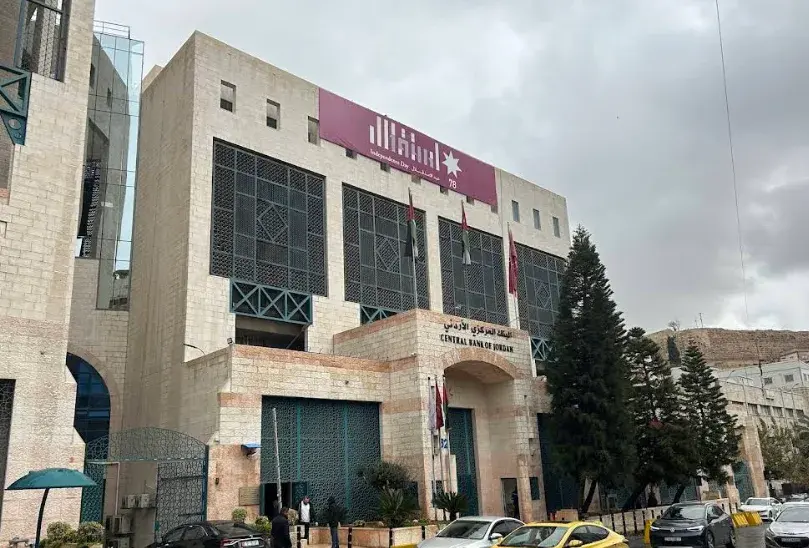
The bank lists the museum at the Central Bank of Jordan, King Hussein Street, Amman, open Sunday–Thursday, 8am–4pm, with weekends and national holidays closed. It states no admission fee and says small-group tours can be arranged with its Public Relations Division. Contact 06-4630301, extension 2580. Operator information.
Call before a special trip to confirm entry procedures, identification requirements, photography and the entrance to use. The tourism directory marks the museum as not accessible for people with disabilities; ask the bank about your specific route and needs rather than assuming a general public entrance resolves them.
Continue the theme elsewhere in Amman
The Stamp Museum is a useful comparison for how public imagery appears on everyday paper objects. The Museum of Parliamentary Life offers a larger institutional setting for modern history.
Check each museum independently and leave room for transfers and a meal. If you take one idea away, let it be a new habit of looking closely: dates, lettering and small design choices can make an ordinary-looking object worth a second glance.
Sources checked on 25 October 2026. Visit lengths are editorial suggestions; confirm opening, admission and access arrangements before travelling.