Jerash Archaeological Museum: a guide beyond the monumental ruins
Add the Jerash museum to your archaeological-site visit, with collection highlights, a focused viewing plan and practical checks for tickets and access.
Your visit at a glance
- Area
- Jerash
- Interest
- Archaeology
- Suggested museum time
- 30–60 minutes
Time is our editorial estimate, excluding travel and nearby sites. Check the official museum listing for visitor contacts, and see the practical details below.
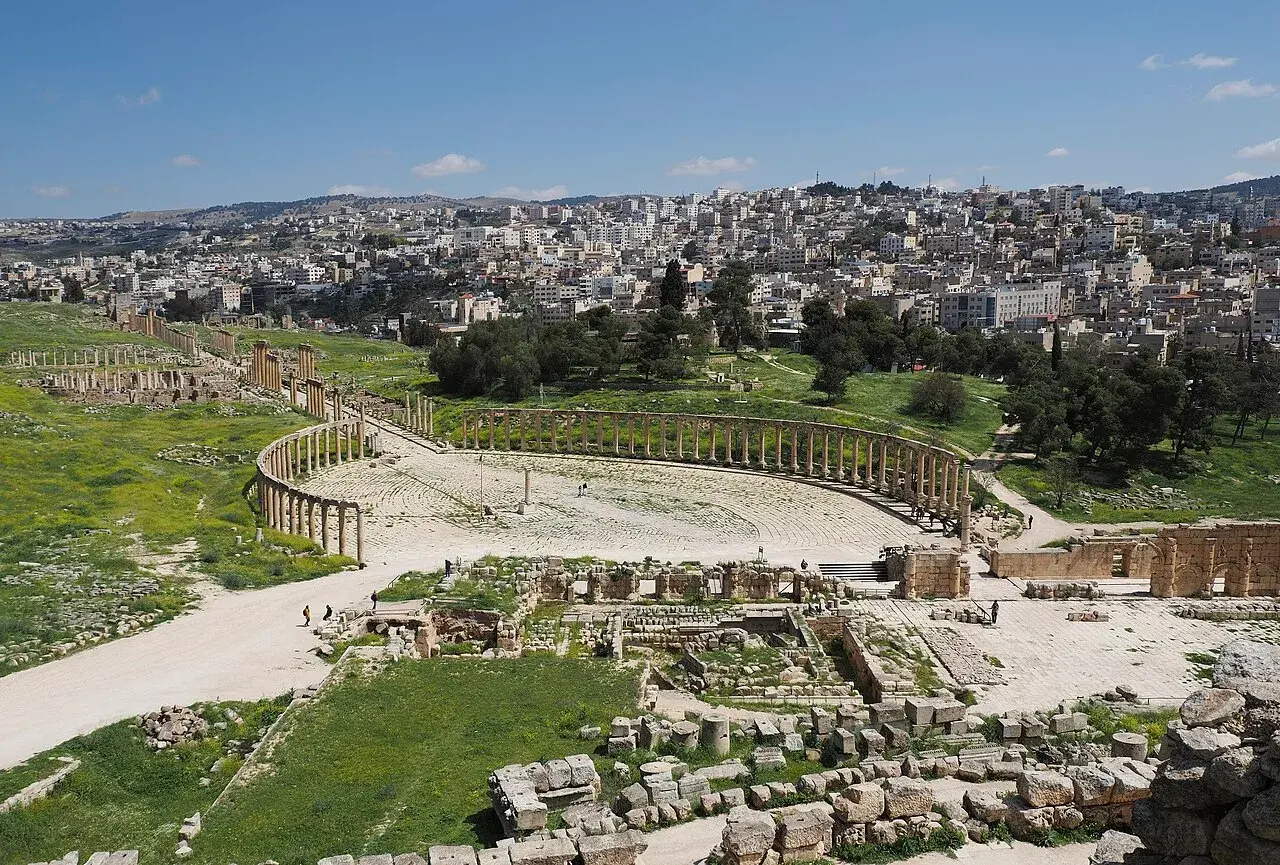
Explore all museums in Jordan →Jerash Archaeological Museum provides a useful change of scale during a day among the city's monumental ruins. A theatre or street can make an immediate impression; a small object asks for closer attention. Give the collection enough time to add something to the outdoor experience rather than treating it as a brief indoor detour.
A collection with a wider chronology
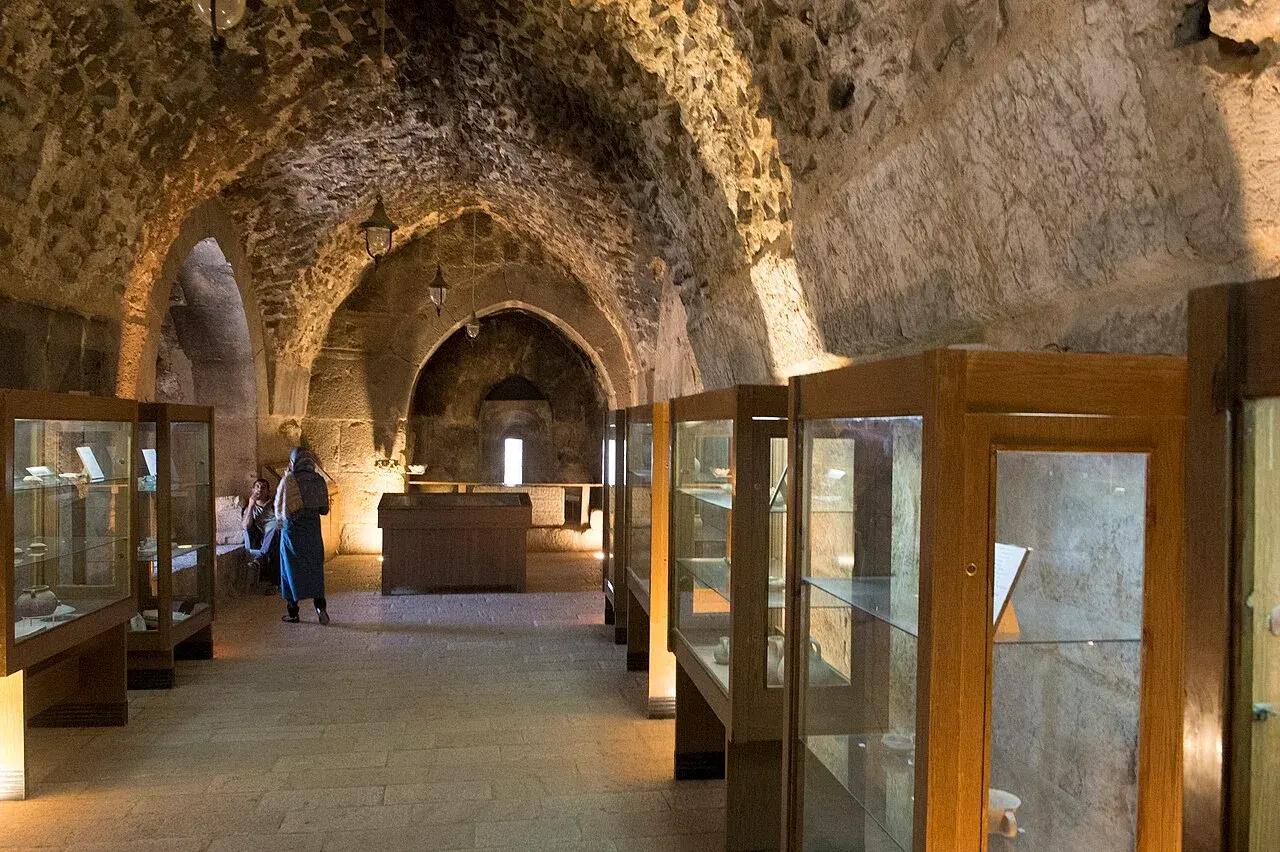
The official directory dates the museum to 1985 and describes material spanning prehistory through later Islamic periods. It names pottery, jewellery, coins, sculpture and mosaics, with decorated stone sarcophagi and mosaic material in the courtyard. Official museum profile.
This scope is broader than a simple collection of Roman monuments in miniature. Read the chronology and find locations carefully. Different periods and sites may appear within the same museum, and the outdoor ruins should not become the explanation for every object you encounter inside.
Follow a theme from large to small
Choose an outdoor feature that interested you, then look for a related question in the museum. If you noticed decoration, examine a carved detail or mosaic. If the city's public spaces prompted questions about everyday life, spend time with practical objects and their interpretation.
The connection is a way of asking questions, not a claim that every exhibit came from the feature you just visited. Let provenance and labels establish the actual relationship. A museum is particularly valuable when it complicates an easy assumption.
We suggest 30–60 minutes for the collection, additional to the archaeological-site walk. In the courtyard, allow enough space to look at large stone objects without touching or climbing on them. Ask staff which exhibits are most useful for an introduction if you are short of time.
Before or after the ruins?
Visiting the museum first can provide questions for the walk, while visiting afterward lets you pursue something that caught your attention outside. Choose according to the confirmed opening time and your group's energy. Neither sequence is useful if it leaves the museum for a rushed final ten minutes.
Our Jerash walking-route guide helps organise the larger site. For families, try comparing a monumental feature with an object small enough to fit in a hand, without actually handling anything. Ask what kinds of evidence survive at each scale.
Practical visitor information
The directory lists 8am–7pm in summer and 8am–4pm in winter, and contacts 02-6352267 / 0775429352. Reconfirm the seasonal timetable and access to the museum separately when planning the wider Jerash stop. Official visitor details.
Ask whether your admission includes the collection, what pass verification is required and whether any gallery or courtyard area is unavailable. Ticket arrangements and the opening of an archaeological site do not automatically establish access to every museum room.
The directory marks the museum as not accessible for people with disabilities. Request a description of the approach, steps and circulation if that affects your visit. Plan water and rest breaks for the wider outdoor day, and avoid leaving the collection until everyone is too tired to enjoy it.
Keep the onward plan realistic
An additional stop in Ajloun may fit some itineraries, but it requires its own driving and visiting time. A thorough Jerash visit, including the museum and a meal, can be enough. Use the trip planner to keep the larger route coherent while leaving space to look closely on the ground.
Sources checked on 25 October 2026. Visit lengths are editorial suggestions; confirm opening, admission and access arrangements before travelling.