Jordan’s Traditional Costumes and Jewelry Museum: a visitor guide
Discover dress, ornament and craft at the Roman Theatre’s eastern-side museum, with tips for looking closely and planning a downtown Amman visit.
Your visit at a glance
- Area
- Amman
- Interest
- Heritage & daily life
- Suggested museum time
- 30–45 minutes
Time is our editorial estimate, excluding travel and nearby sites. Check the official museum listing for visitor contacts, and see the practical details below.
Explore all museums in Jordan →The Jordanian Museum of Traditional Costumes and Jewelry makes a useful companion to Amman's Roman Theatre. It shifts attention from a monumental public building to the things people wore and the skills involved in making them. A short visit can be especially rewarding if you enjoy textiles, design or the connection between objects and personal identity.
What the museum preserves
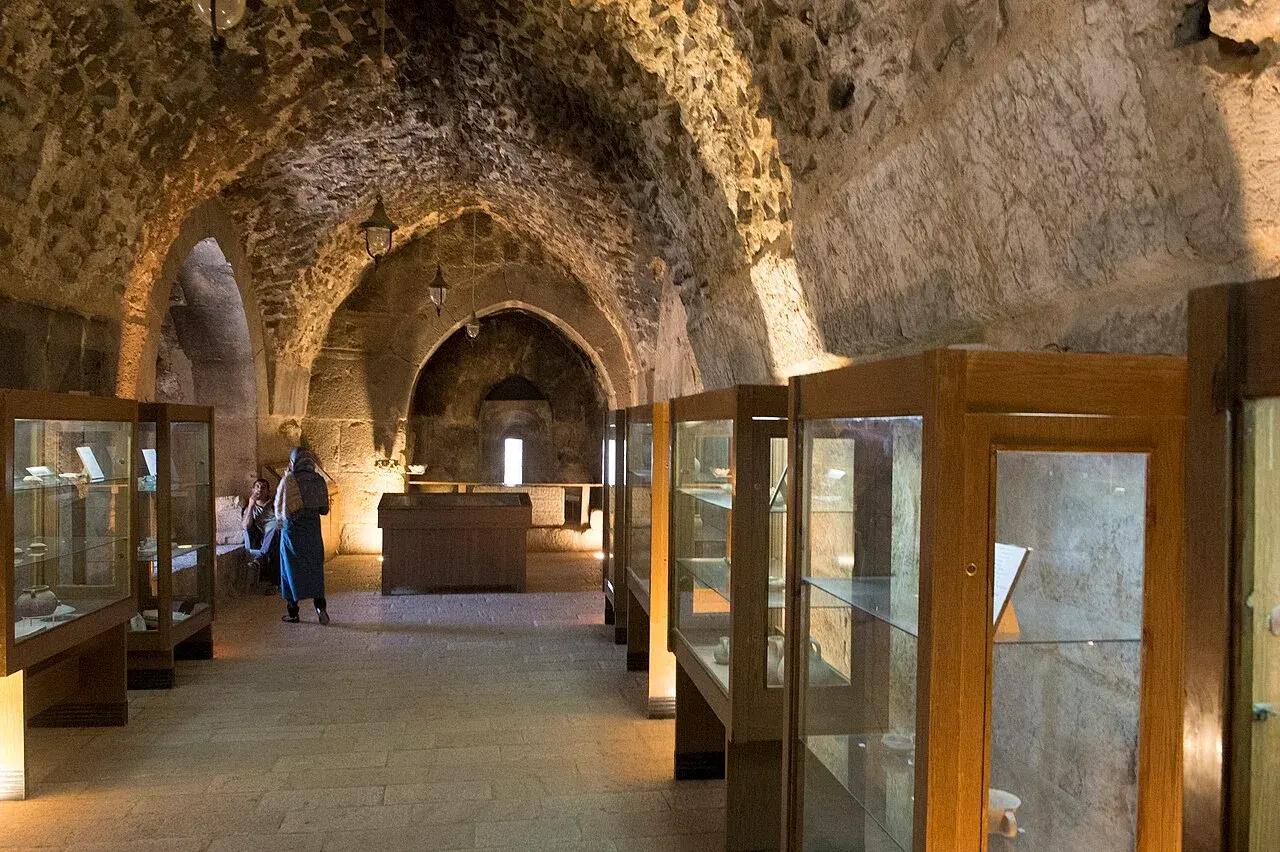
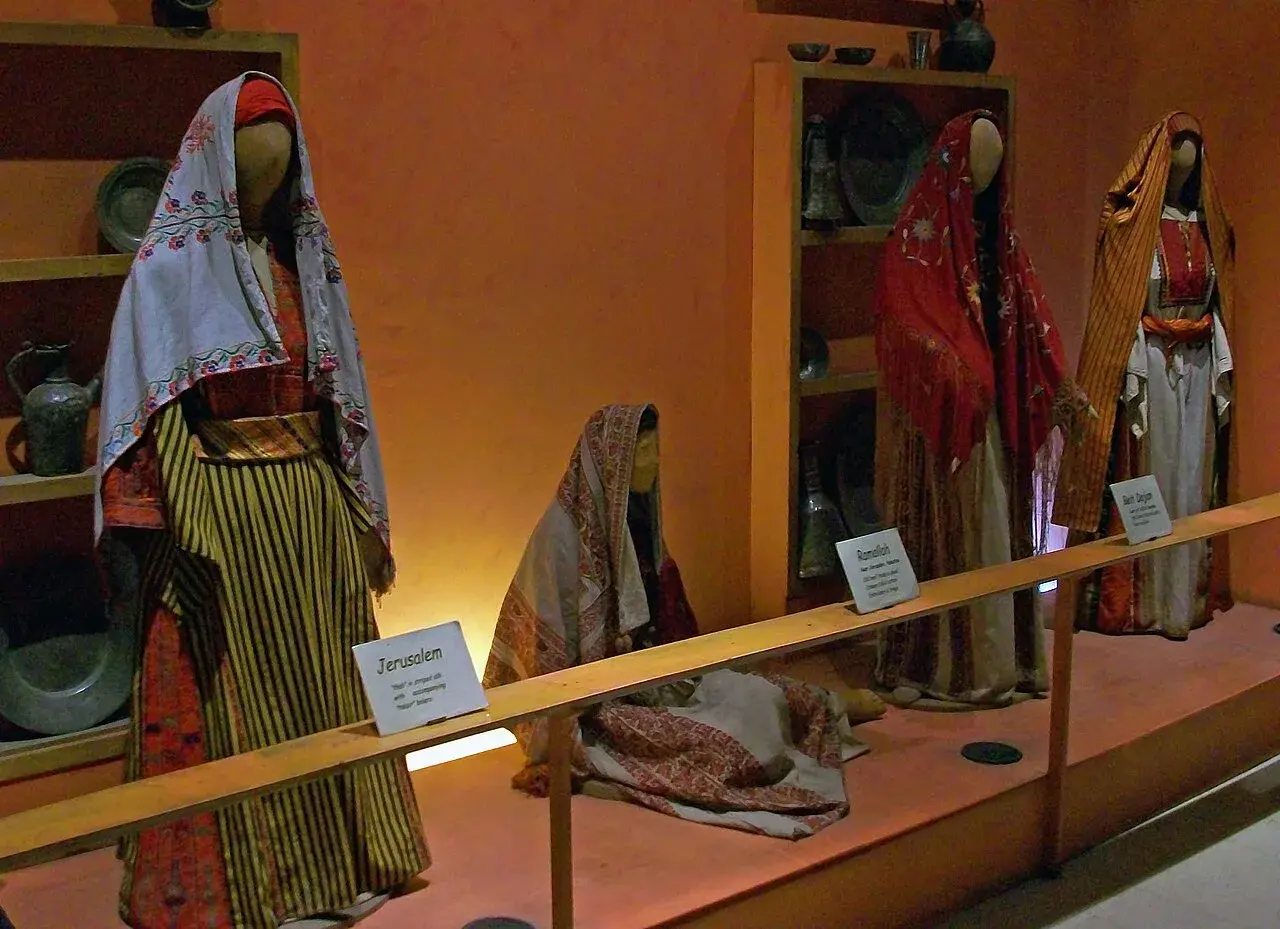
The Jordan Tourism Board dates the museum's establishment to 1974 and places it on the eastern side of the Roman Theatre. Its focus is Jordanian and Palestinian traditional dress and ornament, presented in relation to local customs, craft and cultural heritage. Official museum profile.
Use the regional and historical information on individual labels. A display cannot stand for every person's experience, and a garment should not be treated as a uniform worn by an entire community. Look for differences in date, place, occasion and use wherever the interpretation provides them.
How to look beyond the overall silhouette
Choose one garment and spend a few minutes considering its construction. Where are the seams? How is the decoration arranged? Does the label identify the material, maker or intended occasion? These questions turn a colourful display into an opportunity to understand skilled work.
With jewellery, compare scale, fastening and the relationship between pieces. Avoid assuming that something large or elaborate was used every day. If an explanation assigns a symbolic meaning to a motif, read the context; if it does not, resist inventing one.
Our suggested allowance is 30–45 minutes, longer for visitors with a particular interest in dress. For children, invite a careful comparison of two patterns without touching the cases or trying to recreate a display pose in a crowded space. A notebook can help you remember details if photography is restricted.
The two theatre museums are separate
The Jordan Folklore Museum is listed on the theatre's western side and gives more attention to daily life and practical objects. Confirm the entrances and which spaces your admission covers before beginning. Similar names in travel listings can make the two collections easy to confuse.
We suggest looking at one collection, taking a break and then deciding whether to visit the other. If your time is limited, choose dress and ornament here, or broader household and craft themes at the Folklore Museum. Both can add a different layer to a downtown walk.
Practical arrangements
The directory publishes 8am–7pm in summer and 8am–4pm in winter, with contacts 0788361540 / 0791468644. These are listing hours, not a same-day opening guarantee. Ask about the seasonal timetable, holiday changes, ticket arrangements and last entry before travelling. Official visitor details.
It also marks the museum as not accessible for people with disabilities. If steps or narrow routes affect your visit, request a specific description of the entrance and galleries rather than relying on the general label. The theatre's outdoor spaces and each museum may present different barriers.
Finish with time for the surrounding city rather than immediately crossing Amman for another attraction. Our Amman guide and transport guide can help you keep the day manageable. Ask permission before photographing staff or other visitors, and follow the museum's rules on photographing textiles and jewellery.
Sources checked on 25 October 2026. Visit lengths are editorial suggestions; confirm opening, admission and access arrangements before travelling.