Al Karak Archaeology Museum: a guide to the As Saraya collection
Explore Karak’s archaeology museum and historic-city model, with clear location advice, a focused viewing plan and practical visitor information.
Your visit at a glance
- Area
- Karak
- Interest
- Archaeology
- Suggested museum time
- 45–60 minutes
Time is our editorial estimate, excluding travel and nearby sites. Check the official museum listing for visitor contacts, and see the practical details below.
Explore all museums in Jordan →Al Karak Archaeology Museum can add a wider city story to a trip centred on the castle. The important first step is confirming exactly where the current collection is reached. Older travel descriptions can blur the museum, castle and nearby historic buildings into a single attraction, which is not a reliable arrival plan.
Start with the current directory location
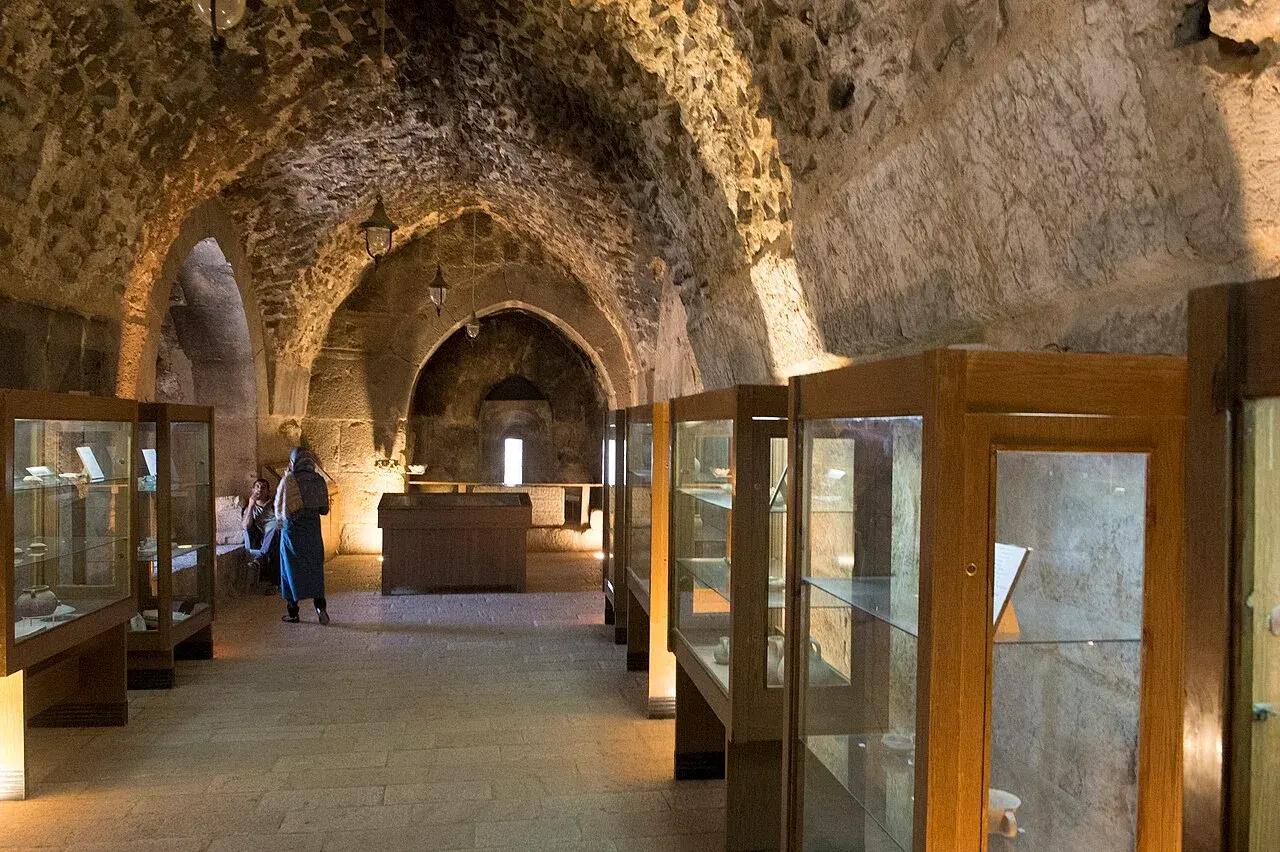
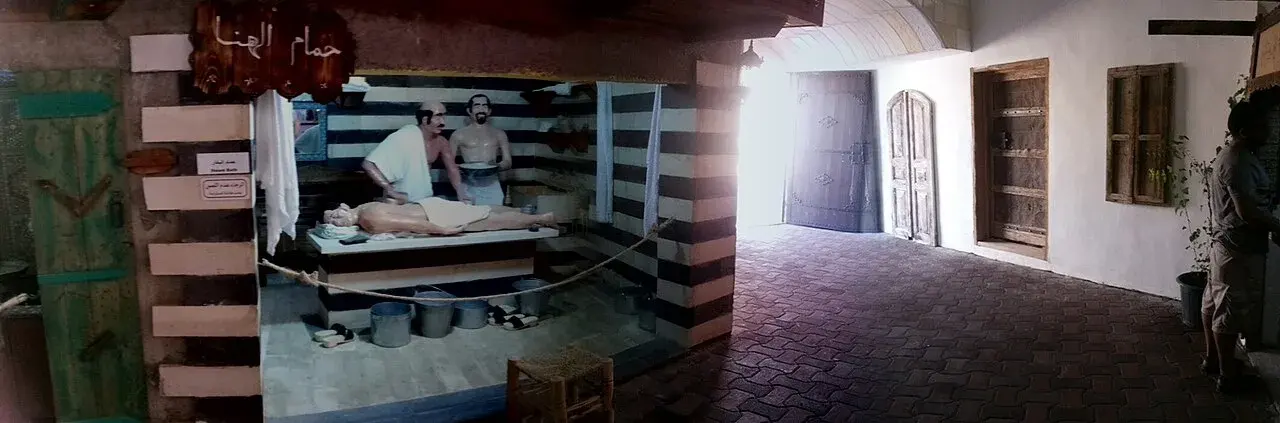
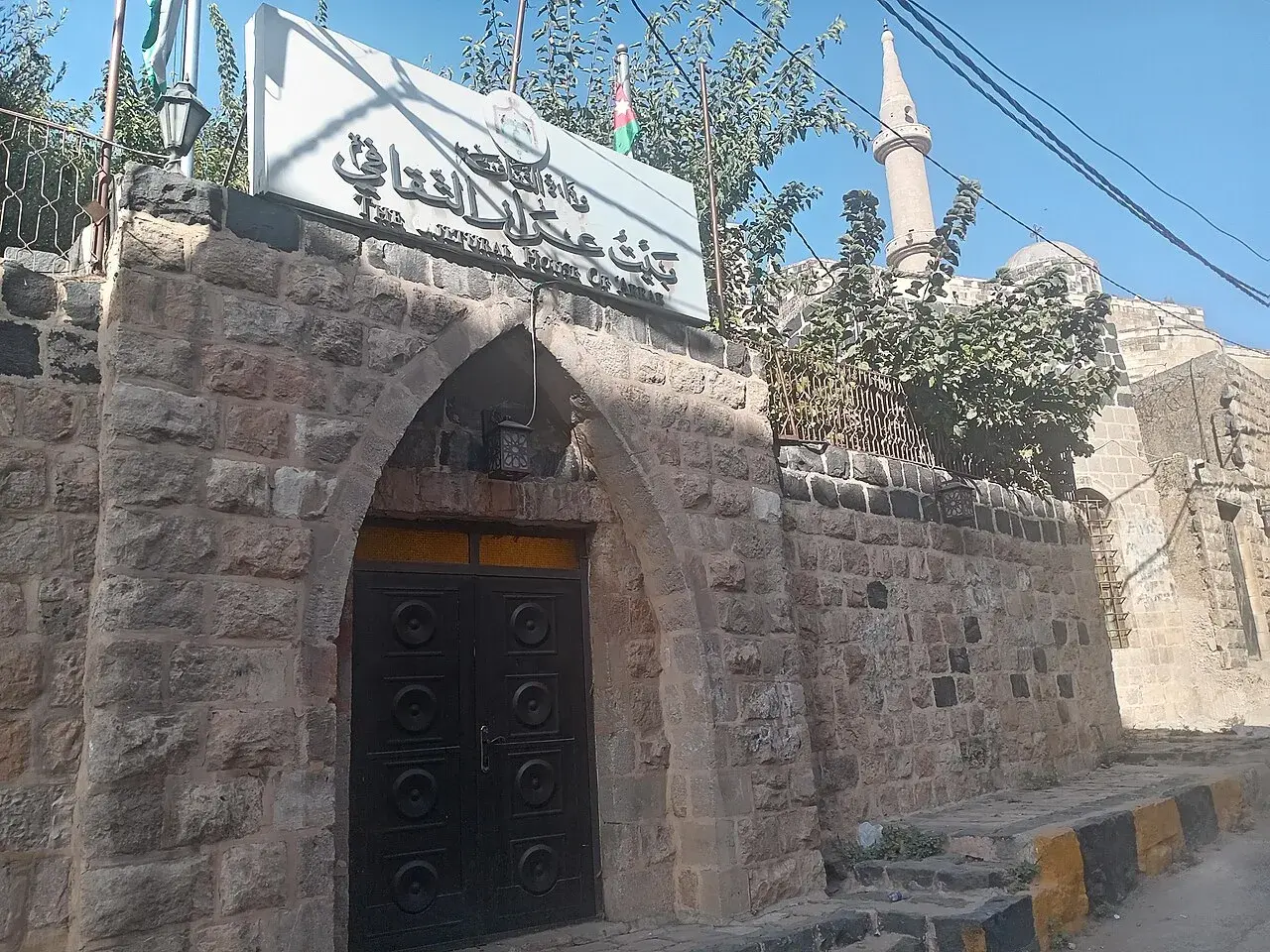
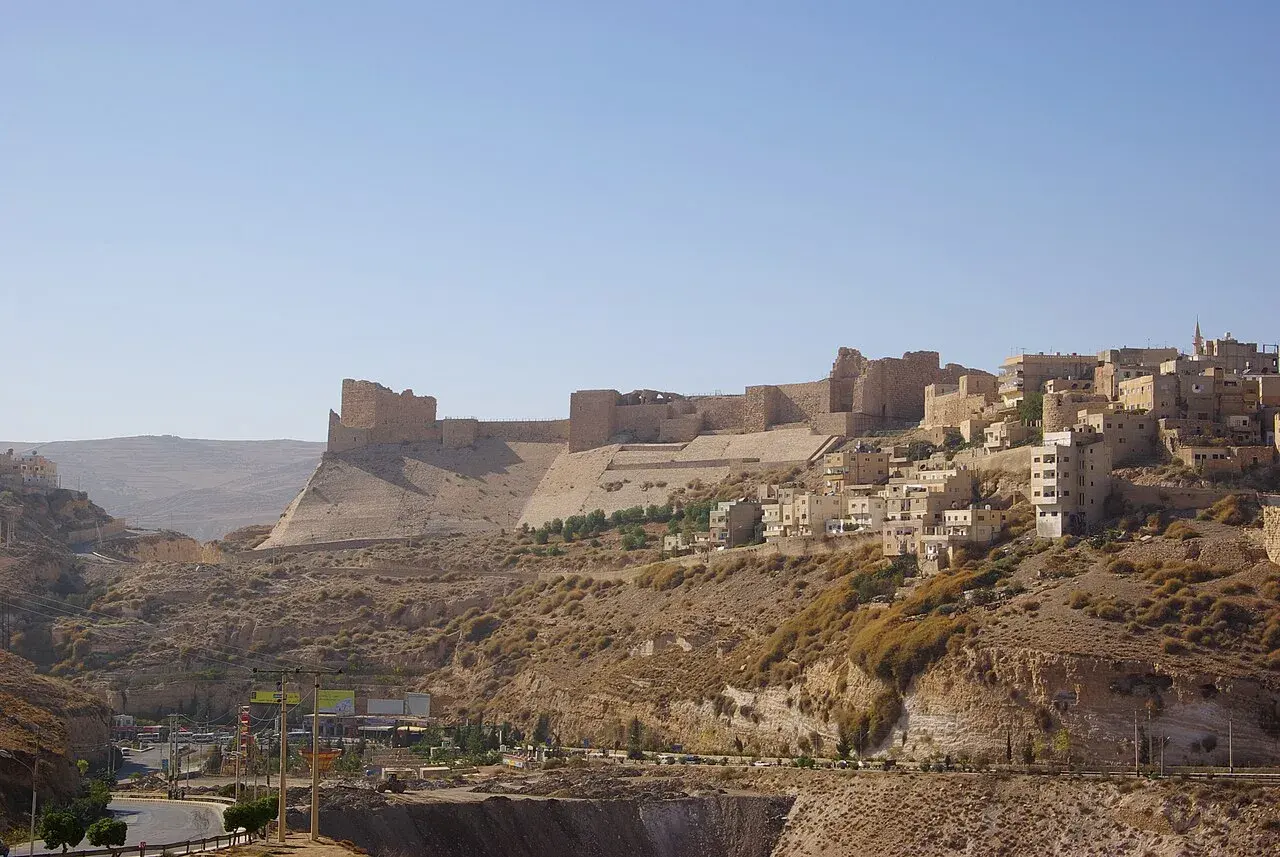
The Jordan Tourism Board's museum directory describes a museum opened in 2019 in a historic Ottoman building in the old As Saraya area facing the castle. It identifies chronologically arranged archaeological displays and a three-dimensional model of the fortified old city. Official museum profile.
Use that description when speaking with staff, then confirm the entrance and collection location for your date. Do not assume that an older reference to a museum “in Karak Castle” describes the same arrangement. The distinction affects walking routes, ticketing and how much time you need.
Use the city model as an introduction
If the model is available to view, start by identifying the castle in relation to the wider town. Ask what historical period the model represents and whether it includes reconstructed elements. A model is an interpretation, not a scale photograph of the present.
Carry one question from it into the galleries. You might ask how people supplied a fortified settlement, how everyday life appears in the objects, or how different periods are distinguished. Let the labels establish which objects can actually answer those questions.
Then choose a small number of exhibits for closer study. Look for find locations, dates and explanations of function. Chronological arrangement helps orientation, but objects next to each other in a case may still have come from quite different contexts.
Make space in the castle day
Our suggested allowance is 45–60 minutes for the museum, excluding the castle and the walk between entrances. Read our Karak Castle guide for the larger visit, and leave a break between lengthy periods of standing or walking.
For families, the city model can offer an easier point of entry than a sequence of dates. Ask what the model shows clearly and what it cannot tell you about daily life. Then look for one object that adds a human-scale detail, using the display's explanation rather than a guess.
Hours, admission and access
The museum directory gives 8am–7pm in summer and 8am–4pm in winter, with contacts 03-2355669 / 0797973863. Reconfirm opening, last admission and whether the galleries you want to see are available. Ask which ticket or pass arrangement applies to the museum and which applies to the castle. Official visitor details.
The directory marks the museum as not accessible for people with disabilities. Request details of the approach, stairs, thresholds and interior route if these affect your plans. Avoid assuming that the accessibility of one nearby attraction applies to the other.
Save the confirmed entrance location for your driver and agree a practical collection point. Leave room for finding the doorway rather than scheduling the museum immediately before an onward departure.
Continue south only if the day allows
The At-Tafilah Museum provides a different regional collection further along a potential southern itinerary. It should be planned as a separate journey with independently checked hours. The trip planner can help organise the broader route, but a castle, museum and relaxed meal in Karak can be a complete day of discovery.
Sources checked on 25 October 2026. Visit lengths are editorial suggestions; confirm opening, admission and access arrangements before travelling.