Umm Qais Archaeological Museum: visiting Bayt Al Rusan
Explore Umm Qais’s archaeological museum in its historic house setting, with advice on reading inscriptions, planning the site visit and checking access.
Your visit at a glance
- Area
- Umm Qais
- Interest
- Archaeology
- Suggested museum time
- 30–60 minutes
Time is our editorial estimate, excluding travel and nearby sites. Check the official museum listing for visitor contacts, and see the practical details below.
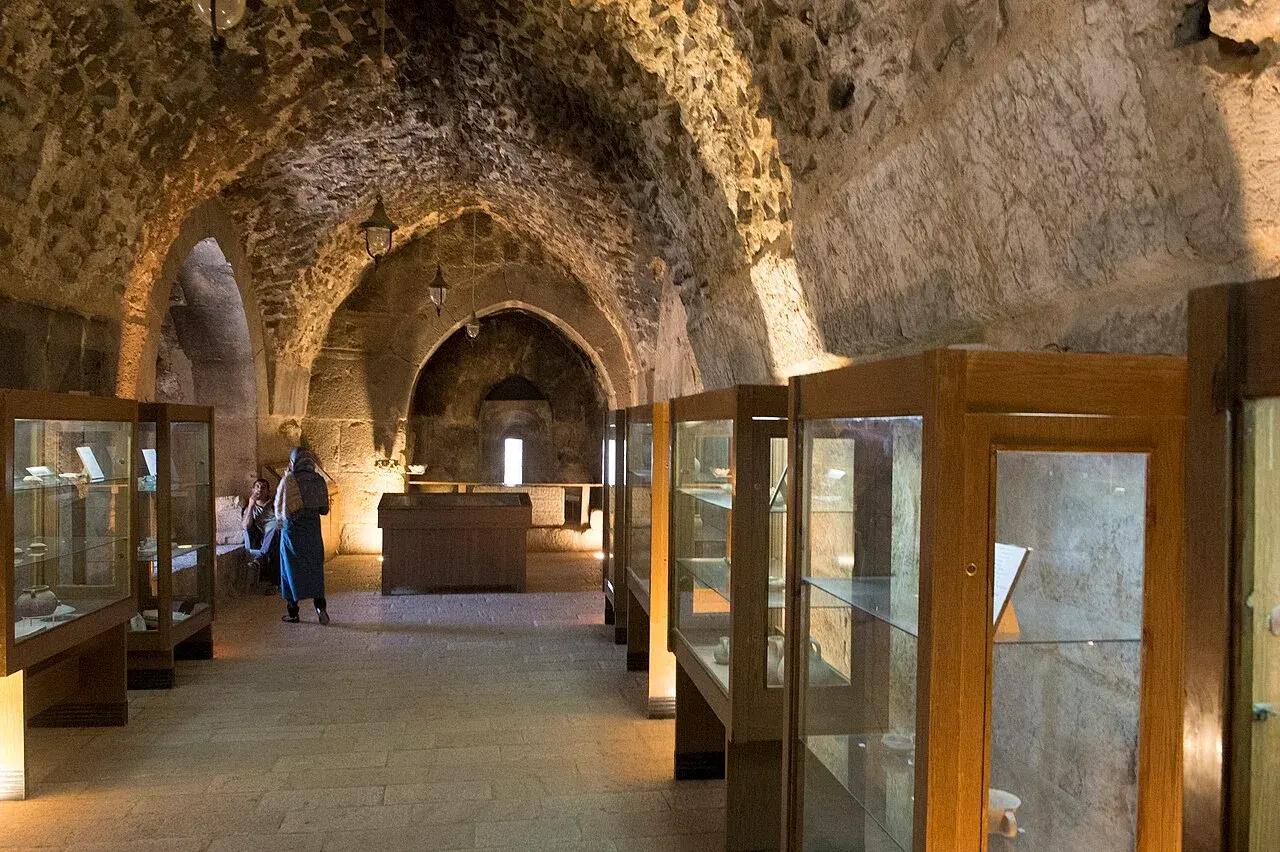
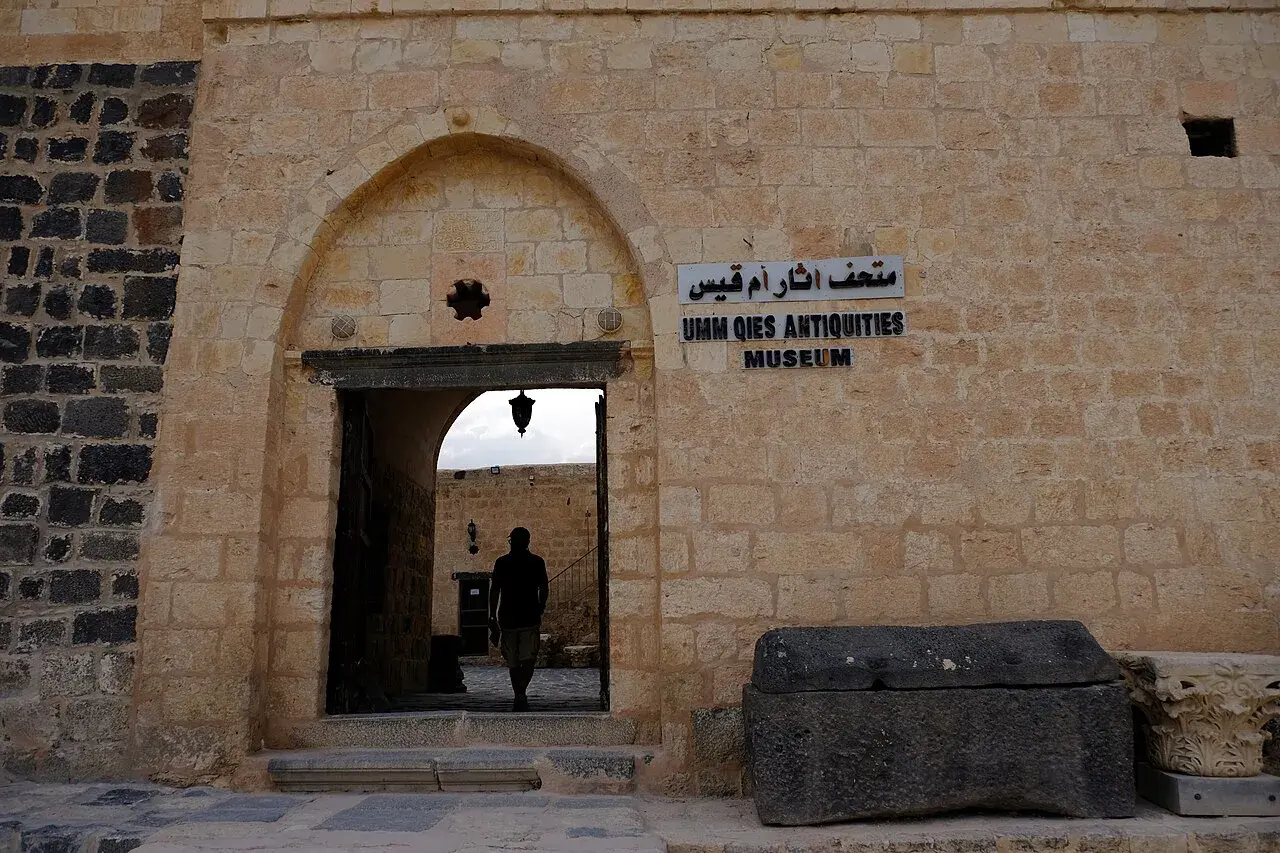
Explore all museums in Jordan →Umm Qais Archaeological Museum brings a domestic scale to a visit often remembered for its wider archaeological landscape. The building and collection deserve their own attention. Pause here to look closely at the relationship between a later house, the ancient city and the objects used to interpret its history.
A museum inside a historic house
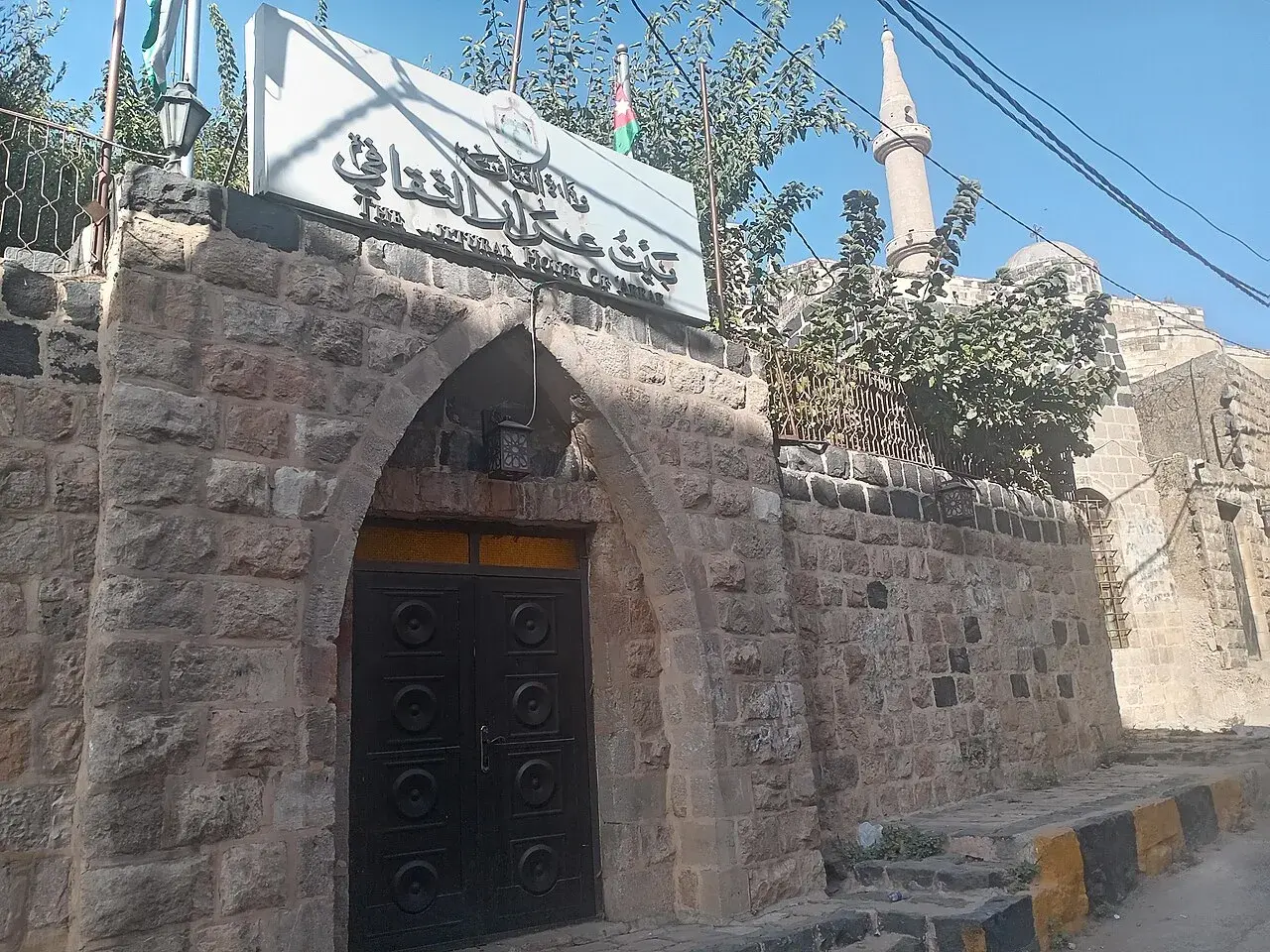
The official directory places the museum within the archaeological site of ancient Gadara, in a house associated with the Al Rosan family, also written Bayt Al Rusan. It dates the building to 1860 and describes rooms arranged around a broad courtyard. Official museum profile.
This means the setting and the archaeological collection represent different historical layers. Do not assume the house is an ancient building simply because it stands within the site, or that every displayed object was used by its later occupants. Read the interpretation of both carefully.
Give inscriptions time
The tourism-board profile highlights a funerary inscription associated with the poet Arabios. Rather than simply looking for a memorable quotation, ask what the museum explains about the inscription's original setting, language and translation. Collection background.
An inscription can preserve a voice across time, but a translation is also an act of interpretation. Notice whether the display supplies a date, context or explanation of the monument on which the text appeared. Those details make the words more meaningful than a standalone phrase in a travel caption.
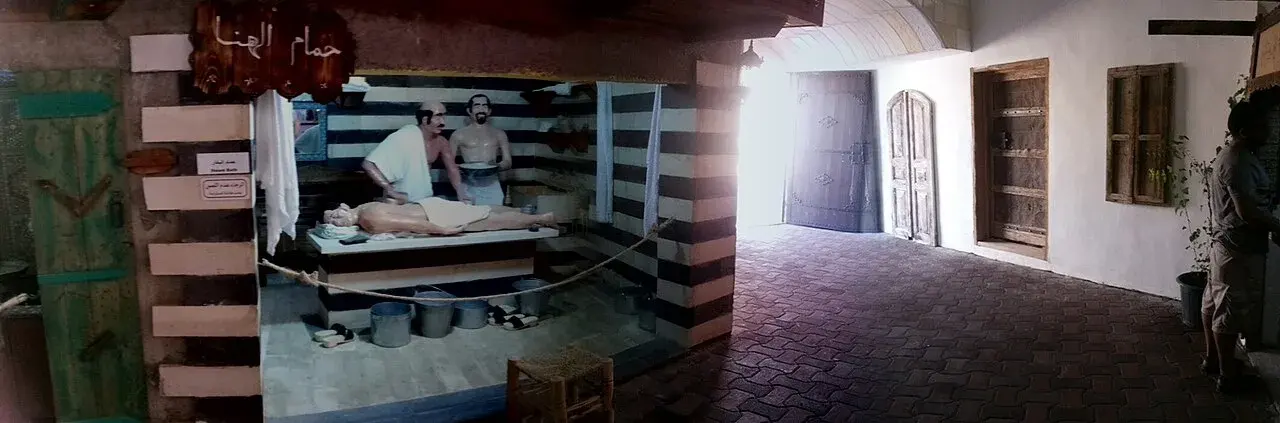
With other objects, follow the same habit: look at the label, identify the find location where provided and ask what can actually be concluded. A dramatic fragment may be only one part of a much larger original setting.
A house-and-collection route
We suggest 30–60 minutes for the museum, in addition to the outdoor visit. Begin with orientation, choose a few exhibits for close attention and then give the courtyard and building a short circuit. Ask which features belong to the house's original construction and which were added during its museum use.
For children, compare what a room can tell you about daily life with what a small object can tell you. Neither supplies a complete story on its own. Keep the exercise observational and let labels or staff explain the historical evidence.
Practical details before arrival
The directory publishes 8am–7pm in summer and 8am–4pm in winter, with contact 02-7500072. Confirm the current museum schedule alongside the archaeological site's hours, and ask whether your ticket or pass covers the collection. Official visitor details.
It marks the museum as not accessible for people with disabilities. Ask about the approach through the site, steps, thresholds and the route around the courtyard. A description of the museum rooms alone may not answer whether the full arrival route works for you.
Follow staff guidance about photography and display boundaries. Leave enough time for an unhurried return to your meeting point, particularly if the outdoor visit has already involved considerable walking.
Plan the wider Umm Qais visit
Our Gadara visitor guide helps organise the archaeological stop. A separate basket-weaving experience may interest travellers seeking a contemporary craft connection, but it needs its own booking and travel allowance.
Choose a combination that leaves time to reflect on the different kinds of heritage involved. A museum, a site walk and a meal can already provide a rich day without adding another distant destination.
Sources checked on 25 October 2026. Visit lengths are editorial suggestions; confirm opening, admission and access arrangements before travelling.