University of Jordan Archaeological Museum: a campus visitor guide
Discover the University of Jordan’s archaeological collection and its educational purpose, with weekday visiting advice and questions to ask before arrival.
Your visit at a glance
- Area
- Amman
- Interest
- Archaeology
- Suggested museum time
- 45–60 minutes
Time is our editorial estimate, excluding travel and nearby sites. Check the official museum listing for visitor contacts, and see the practical details below.
Explore all museums in Jordan →The University of Jordan Archaeological Museum is a different kind of Amman museum stop. Its university setting encourages an interest in how objects are studied, conserved and used for teaching, as well as what they represent. It is particularly worth considering if your trip includes a sustained interest in archaeology.
A collection connected with education
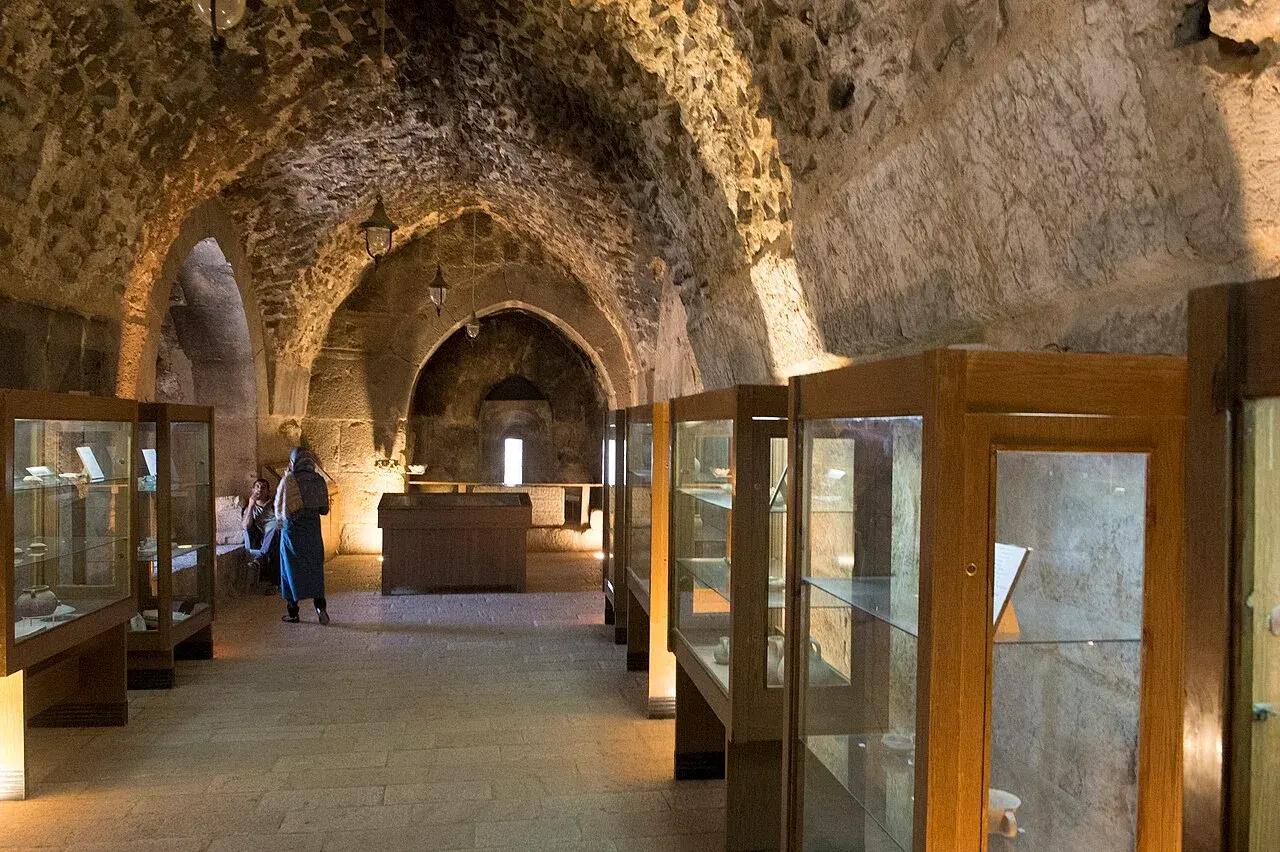
The official directory dates the museum's establishment to 1962, the year the University of Jordan was founded. It describes a chronological collection from prehistory through later Islamic periods, together with facilities supporting educational and conservation work. Official museum profile.
That academic role is a useful lens for the visit, but it does not mean visitors have access to laboratories, storerooms or classes. Treat the public collection and any specialist facilities as separate matters. Arrange a research or educational visit directly if your needs go beyond normal museum access.
Look for the questions behind an exhibit
At a display that interests you, ask how the object was identified and dated. Does the label discuss where it was found, how it was made or what has been restored? These details show the difference between simply recognising something and building an archaeological explanation.
Compare two objects whose labels suggest different contexts. What kind of evidence allows a conclusion about function or ownership? Which parts of the interpretation remain uncertain? A museum visit can be valuable precisely because it reveals how much careful work lies behind a brief caption.
Our suggested allowance is 45–60 minutes for the public galleries. If staff can offer an introduction, use the opportunity to ask a focused question rather than expecting an unplanned specialist tour. For students, bringing a small notebook can help preserve questions for later reading.
Arrange campus access first
The directory publishes 8am–4pm, with Friday and Saturday closed, and the number 06-5355000, extension 25051. It marks the museum as accessible. Reconfirm the current schedule, campus gate, museum entrance and any identification or booking requirements before leaving your accommodation. Official visitor listing.
University holidays, institutional events and museum staffing can affect a visit differently from a commercial attraction. Ask whether the collection will be available on your chosen date and whether the whole public route is open. Admission is not quoted here because a current fee was not established from the checked listing.
For step-free access, request directions from the actual drop-off point to the galleries, including lifts or ramps where relevant. Ask about toilets and places to rest if needed. Do not assume that a campus being open means every building can be entered.
Avoid the three-museum mix-up
This is separate from the Jordan Museum, the national institution, and the Jordan Archaeological Museum at the Citadel. The directory title simply says “Archaeological Museum,” so specifying University of Jordan is particularly important when arranging transport.
Use our Amman guide for the wider day and allow time for campus arrival procedures. Pairing several archaeology collections can be rewarding, but give each a purpose: one for broad chronology, another for a particular site or a question about research. A single well-prepared campus visit can be more useful than trying to fit all three into one rushed afternoon.
Sources checked on 25 October 2026. Visit lengths are editorial suggestions; confirm opening, admission and access arrangements before travelling.