As-Salt Archaeological Museum: a guide to the Balqa collection
Explore the archaeology of the Balqa region in As-Salt, with advice on reading the collection, locating the museum and planning a city visit.
Your visit at a glance
- Area
- As-Salt
- Interest
- Archaeology
- Suggested museum time
- 45–60 minutes
Time is our editorial estimate, excluding travel and nearby sites. Check the official museum listing for visitor contacts, and see the practical details below.
Explore all museums in Jordan →As-Salt Archaeological Museum is worth considering when you want to understand more than the city's streets and buildings. Its regional focus can connect a city walk with a much longer history of settlement. It is best approached as a compact collection for close looking, with time afterward to explore As-Salt itself.
Archaeology from the surrounding region
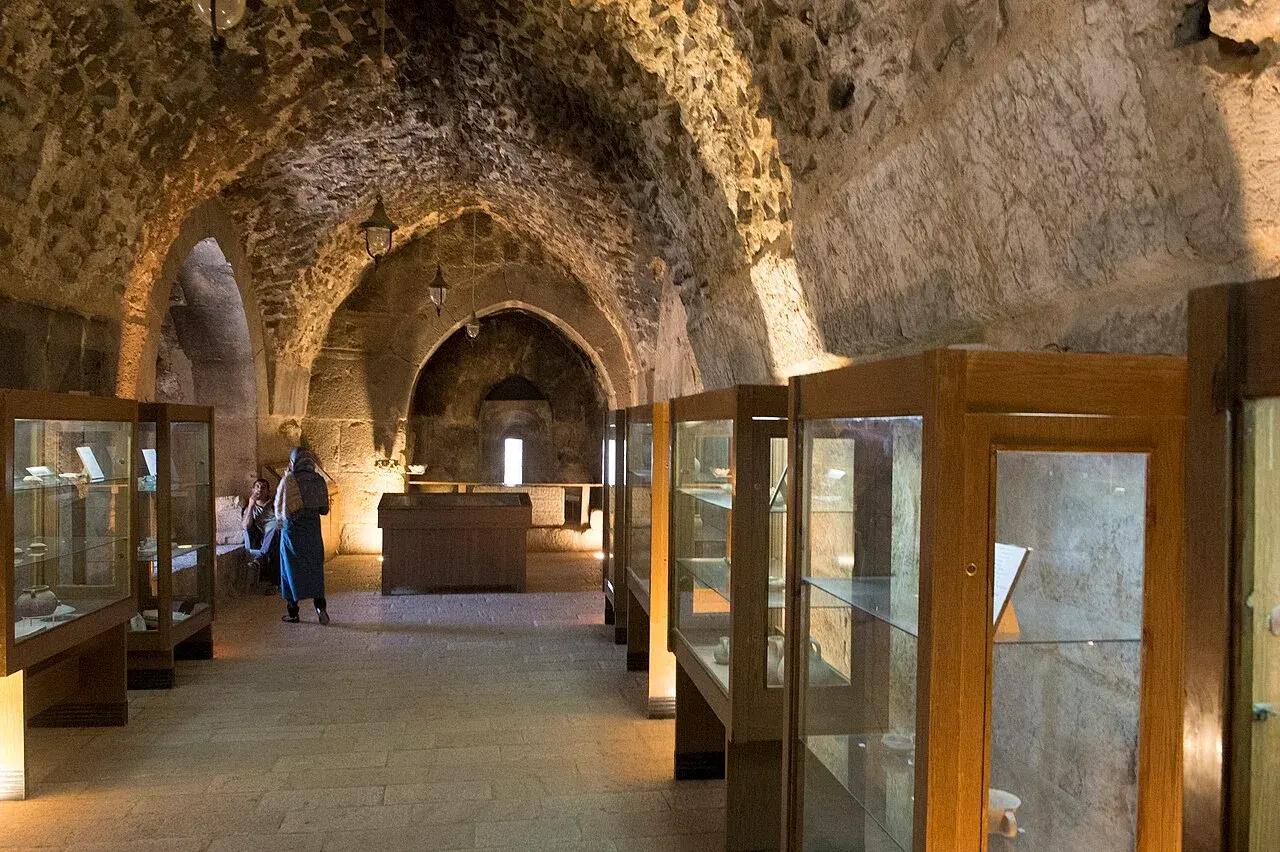
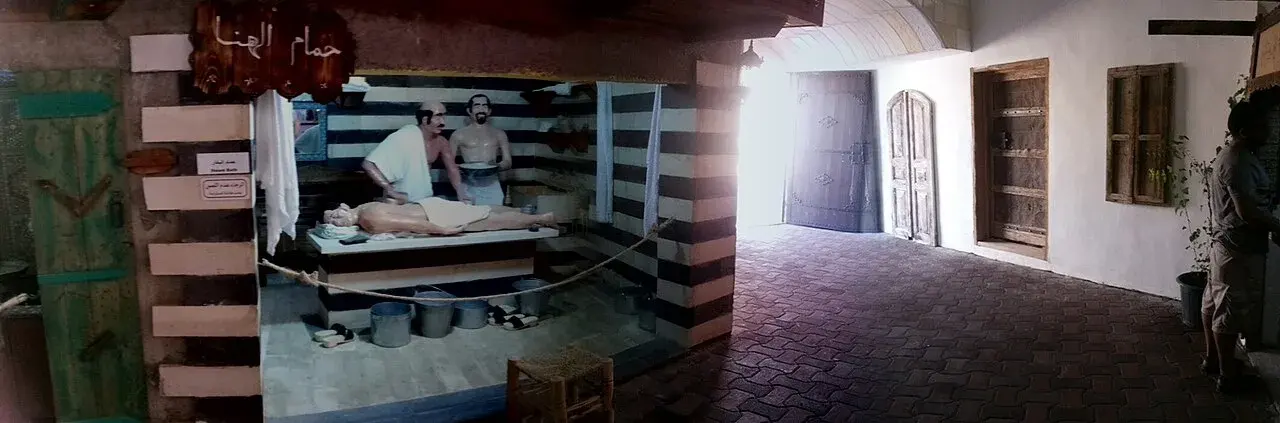
The official museum directory describes finds from archaeological sites across Balqa Governorate, arranged from the Chalcolithic through later Islamic periods. It identifies the setting as a traditional house associated with the Touqan family. Jordan Tourism Board museum entry.
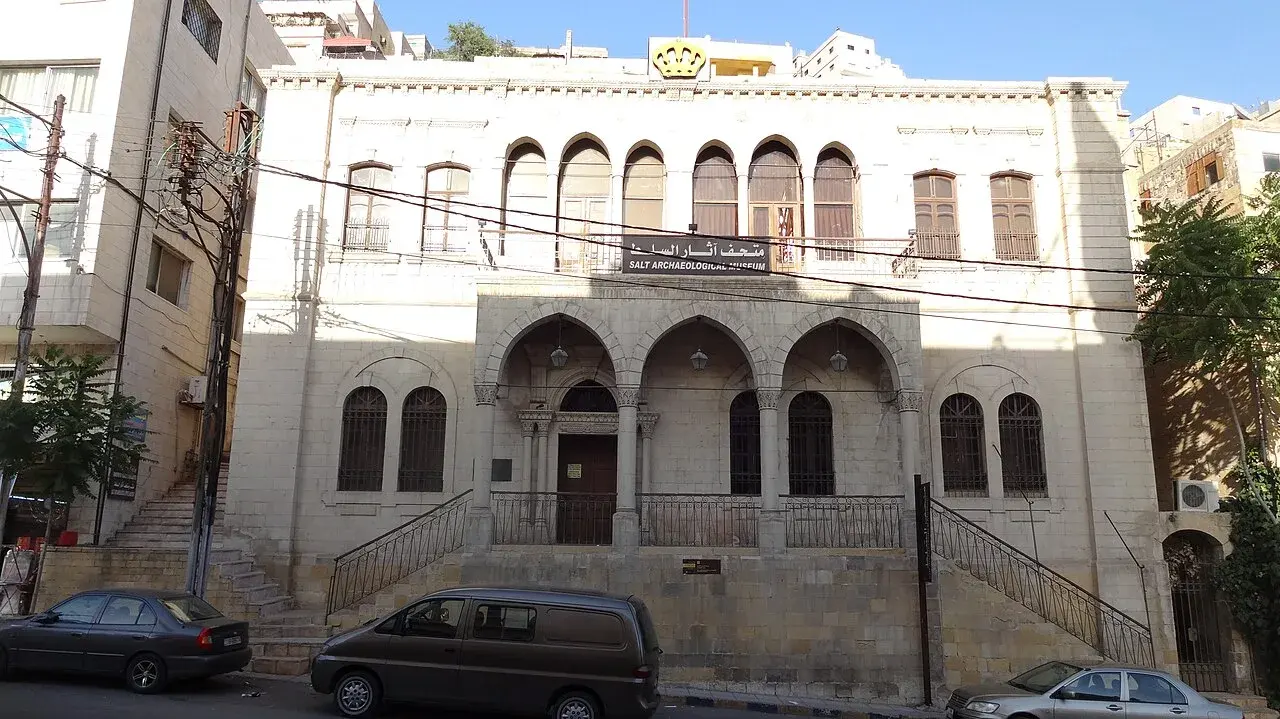
Another tourism-board page describes the museum differently, including its location and opening date. These pages should not be combined into a single confident account. Confirm the current entrance and operating collection directly before travelling, especially if you have saved an older guidebook map. Official As-Salt destination page.
Make the chronology useful
Begin by locating the earliest and latest periods represented in the displays. Then pick two objects from different sections and ask how their material, manufacture or purpose differs. The aim is not to learn a sequence of dates by heart, but to understand what changes and what remains familiar.
Pay attention to find locations. A regional museum brings together material from different settings; objects in adjacent cases may never have been used by the same community. If a label names a site you plan to visit, note it and use that connection to guide your later questions.
Our suggested museum allowance is 45–60 minutes. Visitors with a strong archaeological interest may want more time for inscriptions or close reading. If you cannot find an explanation in a language you understand, ask whether a staff introduction or other interpretation is available rather than guessing from appearance.
A museum and a city walk
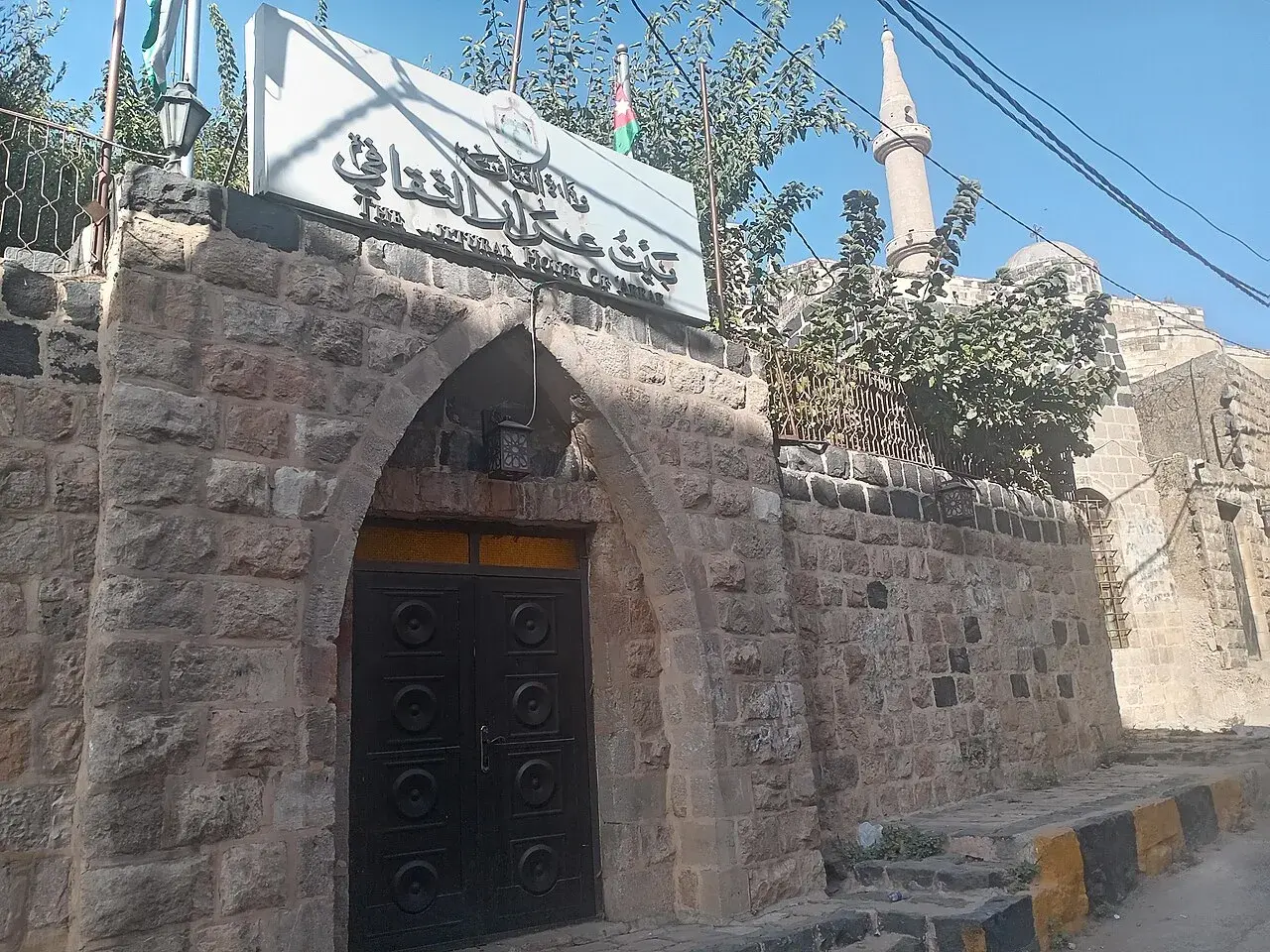
Keep the archaeological museum distinct from the Salt Historical Museum at Abu Jaber House. Their names are sometimes loosely grouped in visitor descriptions, but they should be treated as separate stops with separately confirmed entrances and admission.
We suggest choosing one as the anchor for your morning, then following a modest route through the city. Our As-Salt walking guide helps frame the wider visit. Avoid building a schedule that depends on moving instantly between map pins; allow time for hills, street crossings, breaks and finding the correct doorway.
Practical visitor information
The directory gives 8am–7pm in summer and 8am–4pm in winter, with contacts 05-3555651 / 0777763282. Reconfirm current hours, admission and whether any rooms are temporarily unavailable. It references Municipality Square parking, but ask for the most suitable drop-off or parking location for the entrance currently in use. Official visitor details.
The same listing marks the museum as not accessible for people with disabilities. If stairs, standing time or uneven surfaces are a concern, request practical details before committing to the journey. A historic-house setting can require more specific questions than a simple yes-or-no accessibility label.
For the return to Amman or onward travel, agree the collection time and meeting place with your driver. Leave a little flexibility for a museum conversation or a relaxed lunch rather than treating the visit as a timed errand.
Sources checked on 25 October 2026. Visit lengths are editorial suggestions; confirm opening, admission and access arrangements before travelling.