Salt Historical Museum and Abu Jaber House: planning a visit
Visit Abu Jaber House in As-Salt for a closer look at the historic building and local heritage, with guidance on museum names, access and city walks.
Your visit at a glance
- Area
- As-Salt
- Interest
- Heritage & daily life
- Suggested museum time
- 45–75 minutes
Time is our editorial estimate, excluding travel and nearby sites. Check the official museum listing for visitor contacts, and see the practical details below.
Explore all museums in Jordan →Abu Jaber House is an appealing museum stop for travellers who like buildings as much as their contents. Give the setting some of your attention before moving straight to the exhibits. A house adapted for public interpretation offers a different experience from a purpose-built gallery, and it can deepen the rest of an As-Salt walk.
A historic house in the city centre
The Jordan Tourism Board's museum directory identifies the Salt Historical Museum with Abu Jaber House, a late-nineteenth-century heritage building in central As-Salt. Its broader destination page also uses a folklore-museum label for Abu Jaber House and describes local heritage themes. The naming varies, so use the house name when confirming your destination. Museum directory, As-Salt destination guide.
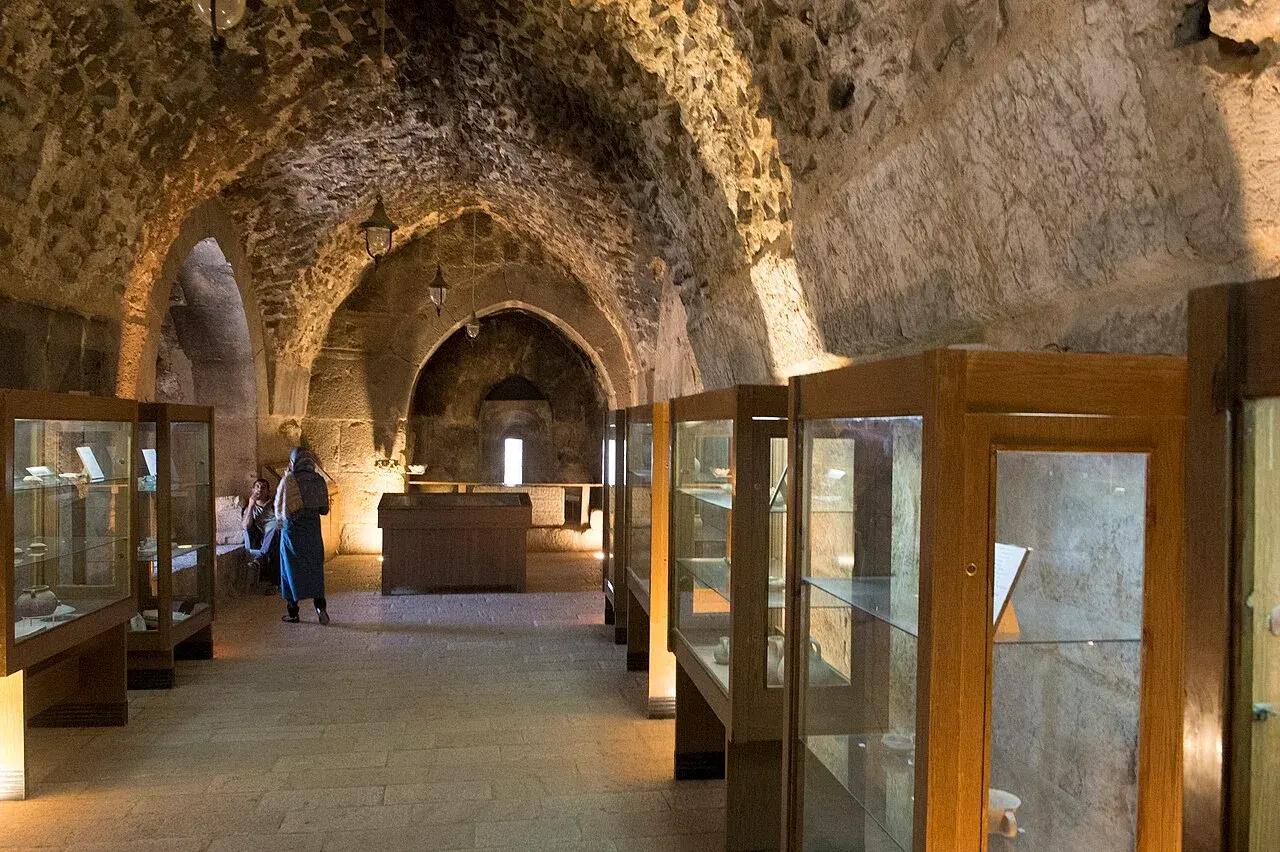
The directory's collection description overlaps with descriptions of regional archaeological holdings. For this guide, the building identity is the reliable starting point; ask which displays are currently installed rather than arriving with a fixed list of objects you expect to see.
Let the architecture lead part of the visit
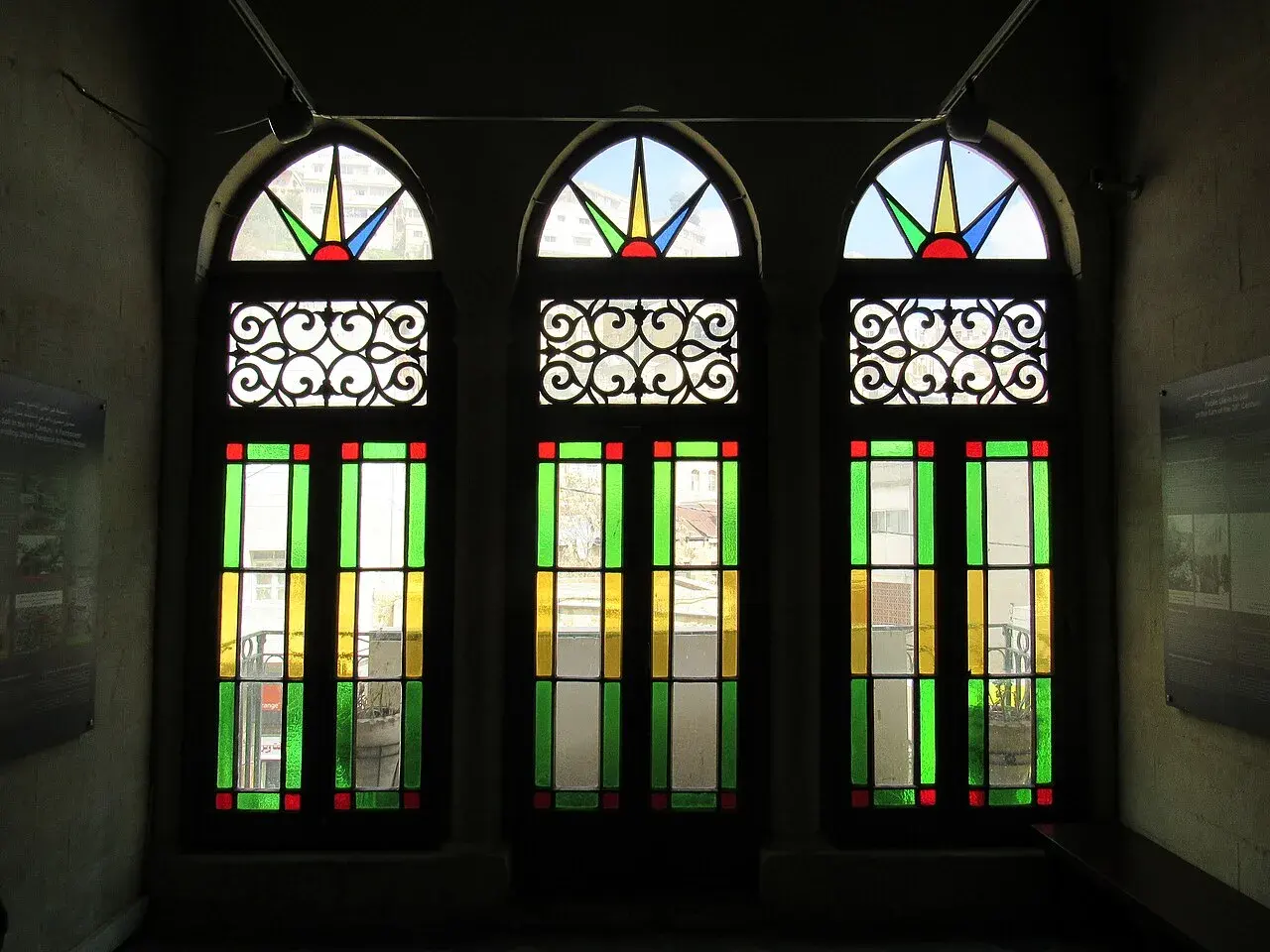
Begin with whatever orientation the museum provides about the house and its occupants. Then notice how the rooms connect, where daylight enters and how circulation differs from a modern museum. Ask which features belong to the original building and which were introduced during restoration or conversion.
Choose a room or architectural detail that makes you curious. A doorway, window or change in floor level can prompt questions about how people moved through a house. Avoid assigning a function to a room just from its size; look for interpretation or ask a member of staff.
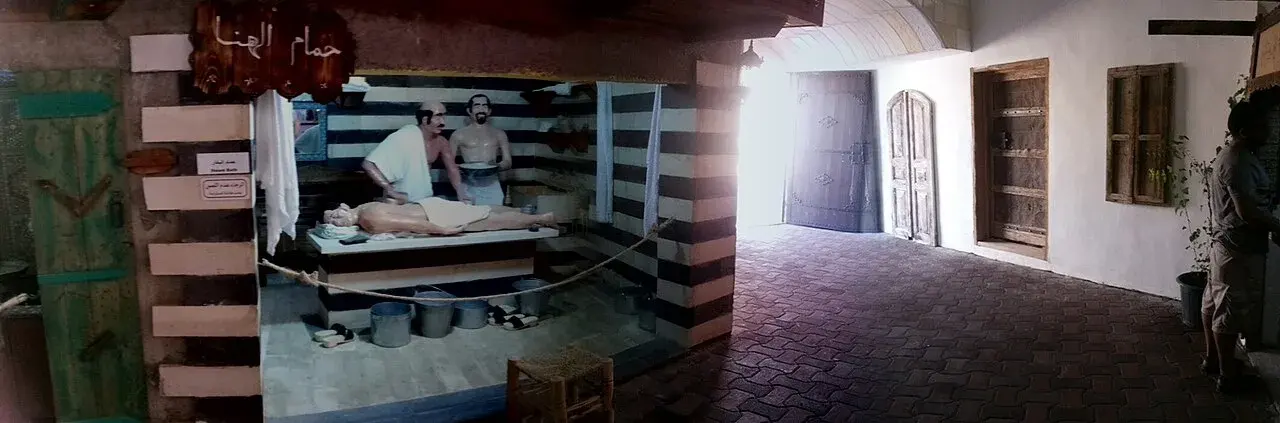
In the displays, distinguish a broad explanation of local heritage from evidence about this particular household. Those two stories may complement each other, but they are not interchangeable. If a temporary exhibition is open, allow time for its own introduction instead of treating it as part of the permanent house story.
Make it the anchor of an As-Salt outing
Our suggested allowance is 45–75 minutes, excluding a city walk. Start with the museum if you want context before exploring, or use it later to develop questions raised by streets and buildings you have already seen.
The As-Salt Archaeological Museum is a separate institution. Confirm both locations rather than letting similar names send you to the wrong entrance. Our historic-city walking guide offers a wider framework, but keep your route flexible enough for hills, breaks and a conversation.
Opening, tickets and access
The directory lists 8:30am–7pm in summer and 8:30am–5pm in winter. It provides 05-3555652 / 0797773000, references Salt Visitor Center parking on Prince Hamza Street and marks the museum as accessible. Official visitor listing.
Reconfirm those details, the ticket arrangement and the entrance before setting out. For an accessible visit, ask which floors and rooms can be reached, whether a lift or assistance is needed, and where to be dropped off. A general listing label does not describe the complete route through a historic house.
Follow the photography policy and avoid blocking narrow circulation areas while looking at architectural details. Leave enough time afterward to enjoy As-Salt at street level; the museum can provide a beginning to that experience rather than its conclusion.
Sources checked on 25 October 2026. Visit lengths are editorial suggestions; confirm opening, admission and access arrangements before travelling.