Little Petra: a guide to Siq al-Barid and its caravan spaces
Explore Little Petra with a guide to Siq al-Barid’s dining halls, water systems and carved spaces, plus practical advice for planning a separate visit.

Little Petra rewards a different kind of attention from a race between famous monuments. At Siq al-Barid, look for the relationship between an entrance, a room and the practical needs of people arriving from a journey. The site can make the organisation of travel in the Nabataean world easier to imagine.
A place for arriving, dining and trading
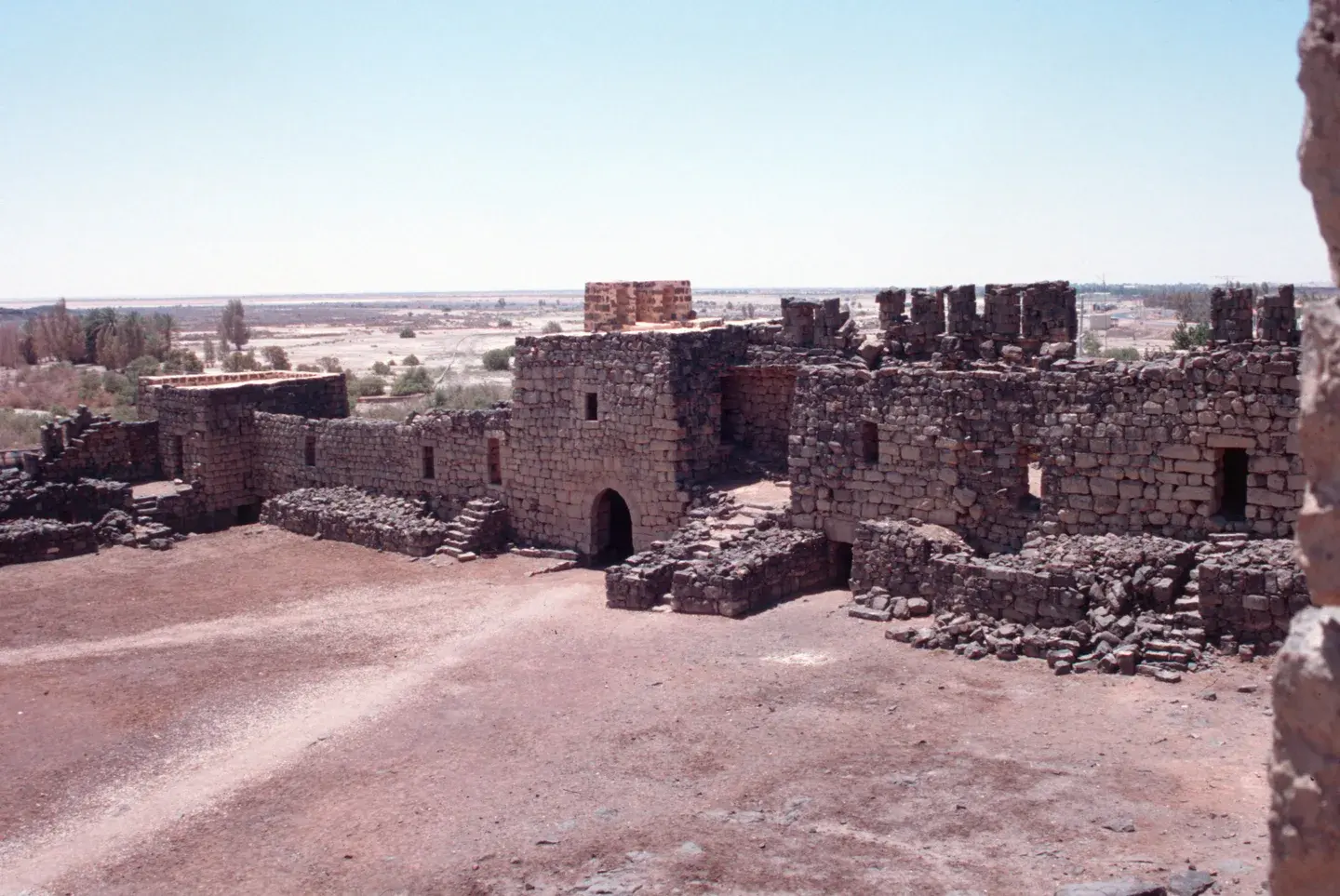
The Petra authority identifies Siq al-Barid, also called Little Petra, as a stopping place for caravans in Petra's northern outskirts. Its description connects the site with trade between southern Arabia and Gaza and identifies carved facades, dining halls, cisterns and dams. The narrow rock entrance gives the smaller site a resemblance to Petra's main Siq. Source: Petra authority's Siq al-Barid page.
The same account suggests that dining halls, or tricliniums, could have served hospitality and ritual meals. That possibility is a useful starting point for looking, rather than a reason to assign a precise function to every opening in the rock.
Look at the spaces as a connected place
Begin by noticing how the approach changes when you enter the cleft. Pause where there is room without blocking other visitors, and compare the scale of the passage with the spaces beyond it. A wide photograph can show the relationship more clearly than a tightly cropped facade.
At a carved room, look from the permitted visitor area for changes in level, seating-like features and the position of the entrance. Ask a guide which interpretations are supported by evidence and which remain uncertain. Resist the temptation to assume that every impressive carved front is a tomb.
Then consider water. Cisterns and dams are part of the official site's description, so ask where surviving features can be viewed safely. Thinking about storage and supply gives a practical counterpart to the more decorative stonework.
Plan Little Petra as its own stop
Check the current opening arrangements and access conditions with the Petra visitor service before travelling. Confirm your transport destination as Siq al-Barid, since a request for Petra alone may be understood as the main visitor entrance in Wadi Musa. Agree a return pickup point and allow time for a slower visit if your group enjoys architectural detail.
Wear shoes suitable for uneven stone and carry water. Ask about steps and the surfaces between the entrance and the areas you hope to see if anyone has mobility needs. A smaller site does not automatically mean that every space is accessible.
Do not confuse a visit here with a longer route onwards into Petra. Any onward hike needs its own confirmed access, ticketing, guide and transport arrangements. Avoid making that decision late in the day simply because a path appears to continue.
Pair the visit with a deeper Petra day
The Petra Museum can provide context for Nabataean life, while our Petra trails guide introduces other parts of the main site. Keep those visits distinct in your schedule rather than assuming one booking covers them all.
Use our Jordan transport guide to plan the journey. Leave enough flexibility to ask questions and examine a few spaces carefully; a short list of well-observed details is more rewarding than a collection of hurried photographs.
Official site information checked on 29 October 2026. Confirm current access, opening arrangements and any onward-route requirements before travelling.