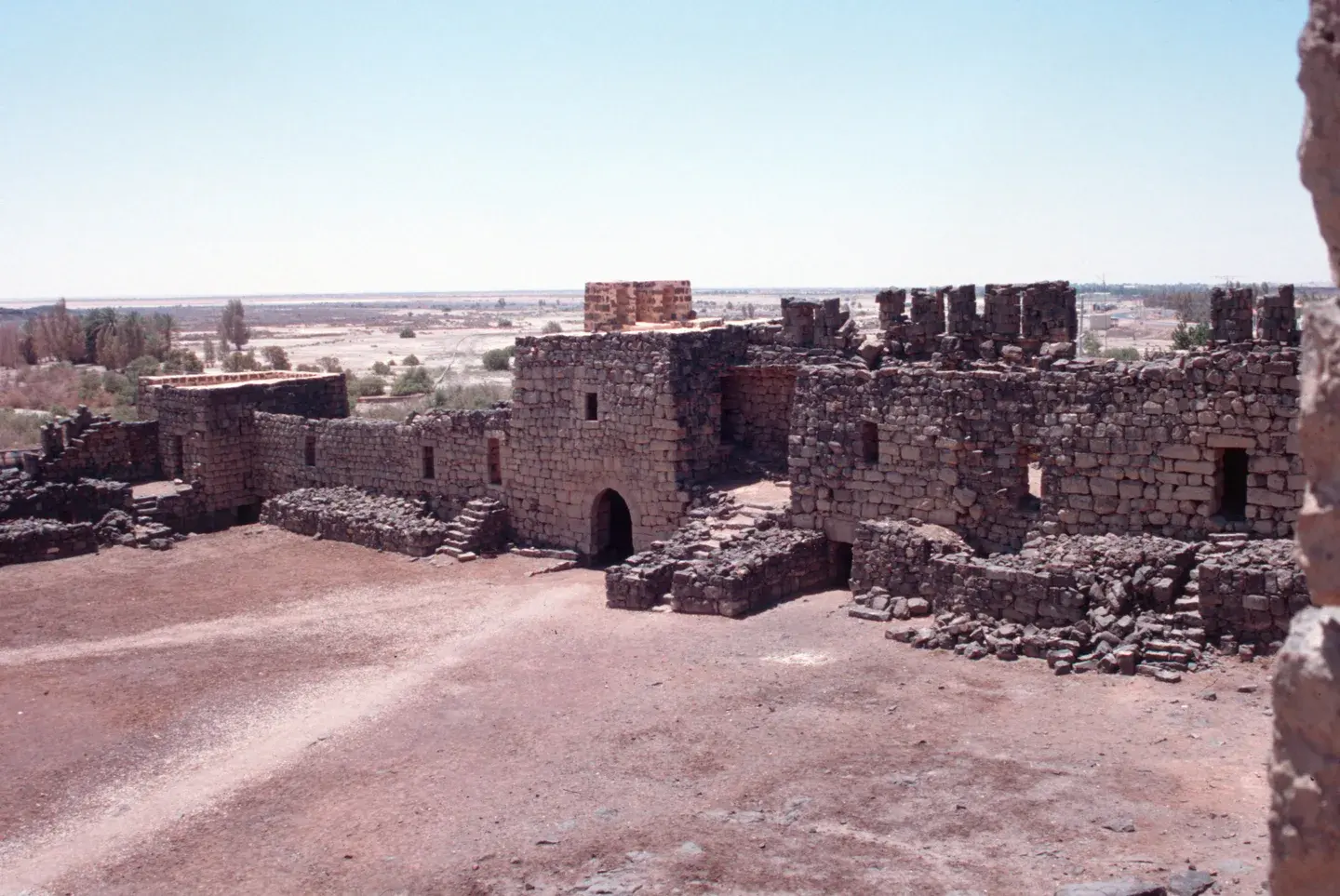
Wadi Rum rock art: looking closely at carvings and inscriptions
Discover Wadi Rum’s rock art and inscriptions with UNESCO context, questions for a guide and practical ways to observe fragile heritage without touching it.
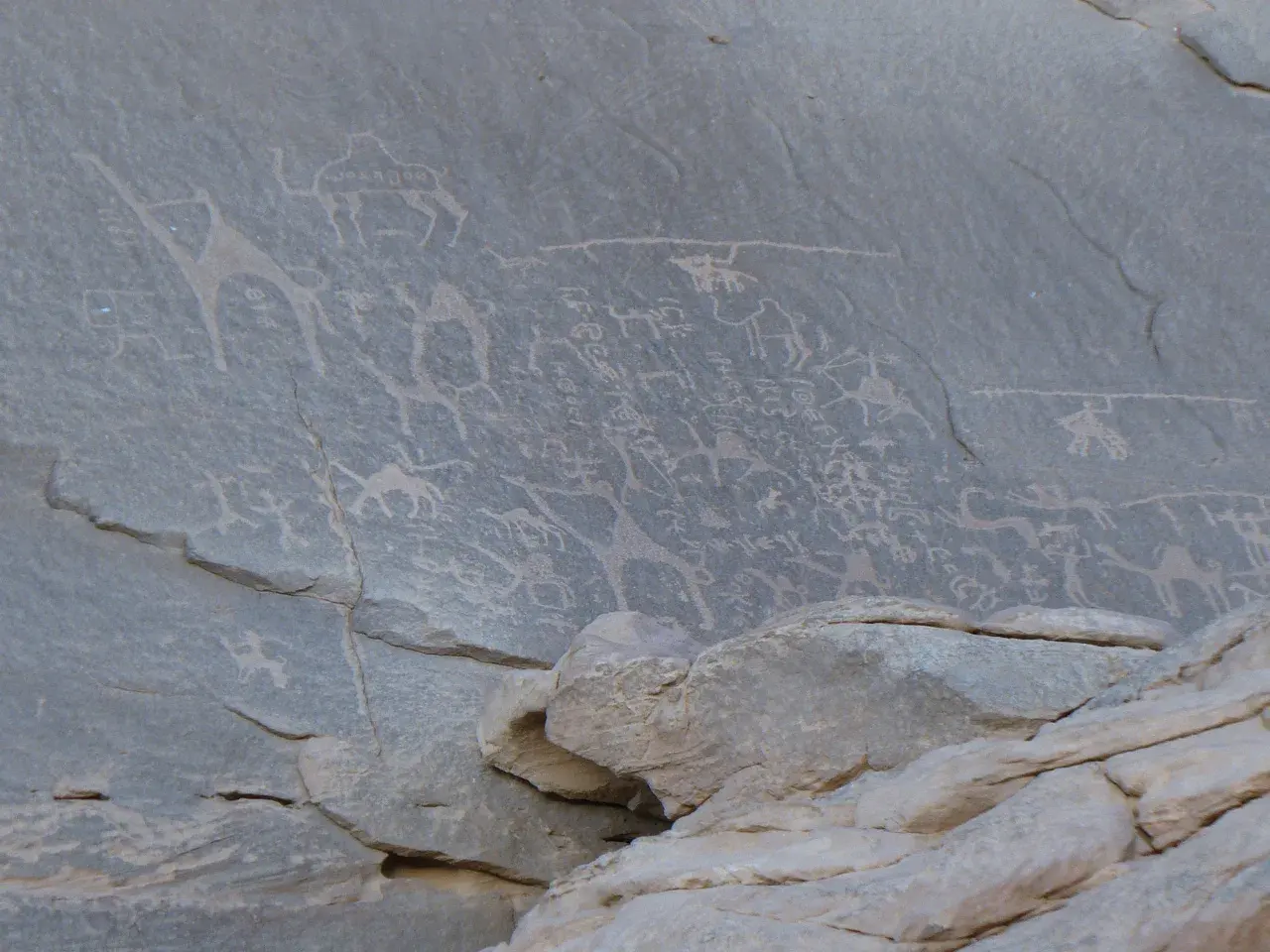
Wadi Rum's rock art invites you to slow down in a landscape often experienced through a moving vehicle. A carved animal or a line of writing can change the scale of a visit: suddenly the cliff is also a surface that someone chose to mark. Plan time for looking and explanation rather than treating each panel as a brief photograph stop.
Why the carvings matter
UNESCO lists Wadi Rum as a mixed cultural and natural World Heritage property. It describes rock art, inscriptions and archaeological remains as evidence of human activity over at least 12,000 years, including pastoral and agricultural life. Human and animal figures appear alongside written traces in the landscape. Source: UNESCO's Wadi Rum listing.
That long timespan applies to the body of evidence across the property. It does not establish the age of any particular carving you happen to see. Avoid repeating a single date for every panel or assuming that adjacent marks were made together.
Ask for interpretation, not just a stop name
When arranging a guided outing, explain that rock art and inscriptions are a priority. Ask which permitted viewing locations the guide proposes, how much walking they involve and how much time is available for discussion. Confirm whether those stops are included in your booked programme.
Useful questions begin with what is visible: which lines belong to a figure, which may be writing, and whether surfaces show marks from more than one period. Ask how an interpretation was reached and whether a translation is documented. A guide who explains uncertainty can help you distinguish observation from a memorable but unsupported story.
ICOMOS's assessment notes the limits of dating rock art and the importance of associations with inscriptions. That is a good reason to be cautious about precise ages inferred only from appearance. Source: ICOMOS evaluation.
Look without altering the surface
Stand on permitted ground and use changing light or camera zoom to examine faint lines. Do not wet, chalk, trace, rub or touch carvings to make them clearer. Never add a mark of your own. If a surface is difficult to read, accept that limit rather than attempting to improve it.
UNESCO identifies weathering and modern graffiti among the pressures affecting the rock art. Source: authenticity discussion. A clear photograph is less important than leaving the surface as you found it.
Let other visitors look before stepping into a narrow viewing space, and ask permission before photographing guides or other people. Keep wide photographs as well as close details so you can remember the setting without needing to climb towards the panel.
Build the visit around realistic access
Ask about uneven ground, narrow passages and any scrambling before confirming the route. Explain mobility needs and choose stops accordingly. Check the meeting point, transfer arrangements, weather decision and expected finish time with the operator.
Carry water, suitable footwear and the clothing recommended for your travel date. Stay with the guide and avoid wandering towards other apparent panels or taking unapproved vehicle tracks. This article identifies a way to approach the heritage; it is not a self-guided route or a guarantee of access to a particular location.
Our Wadi Rum camp guide covers overnight planning, while the transport guide helps organise arrival. Use the seven-day itinerary as a starting point, then reserve enough daylight for the subjects you most want to understand.
UNESCO and ICOMOS information checked on 29 October 2026. Confirm current local access and guiding arrangements before travelling.