El-Lejjun (Betthorus): Jordan’s Roman Legionary Fortress Near Karak
Get to know the Roman fortress of El-Lejjun near Karak, from its barracks and headquarters to the landscape and access checks that shape a visit.
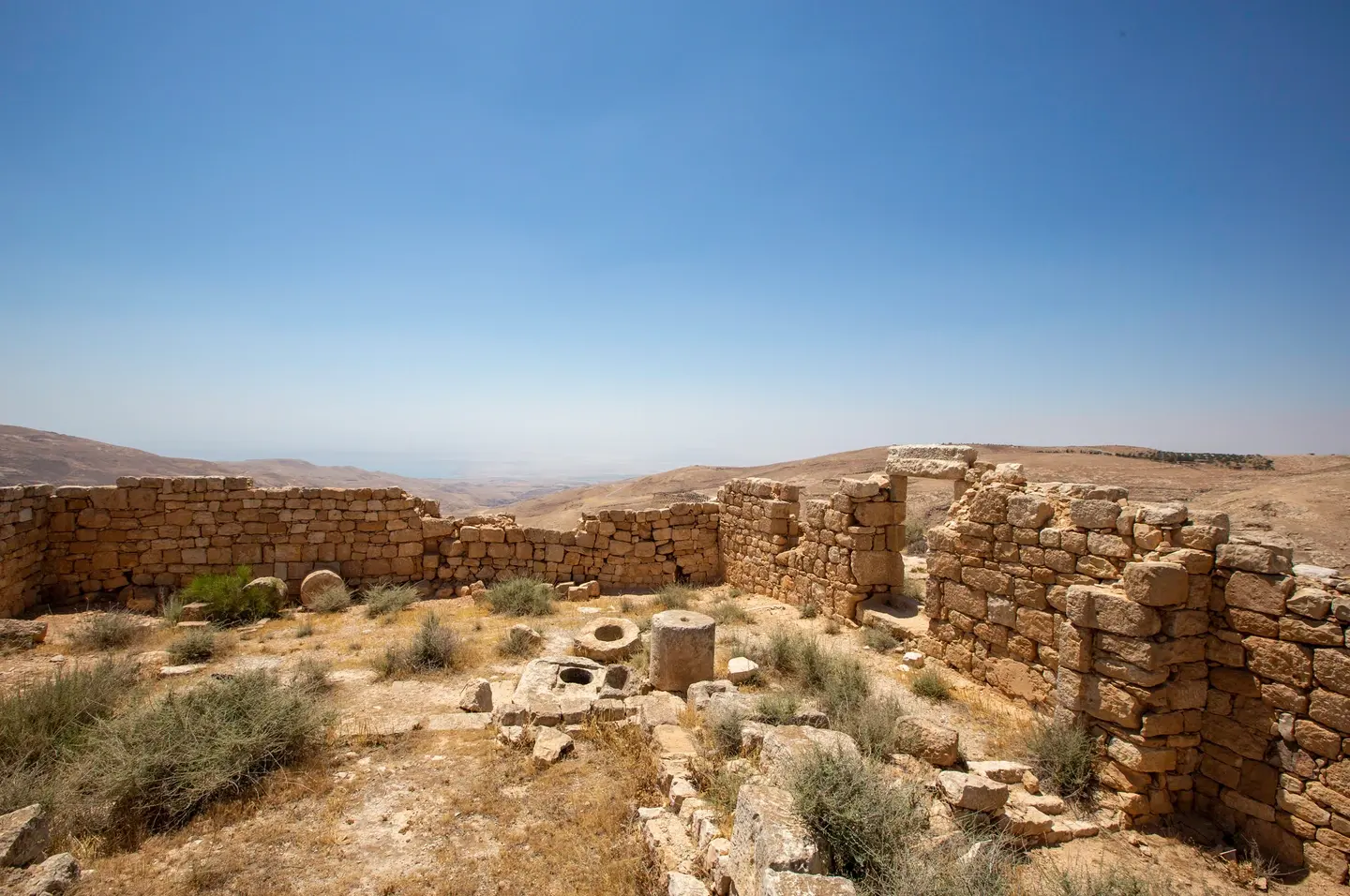
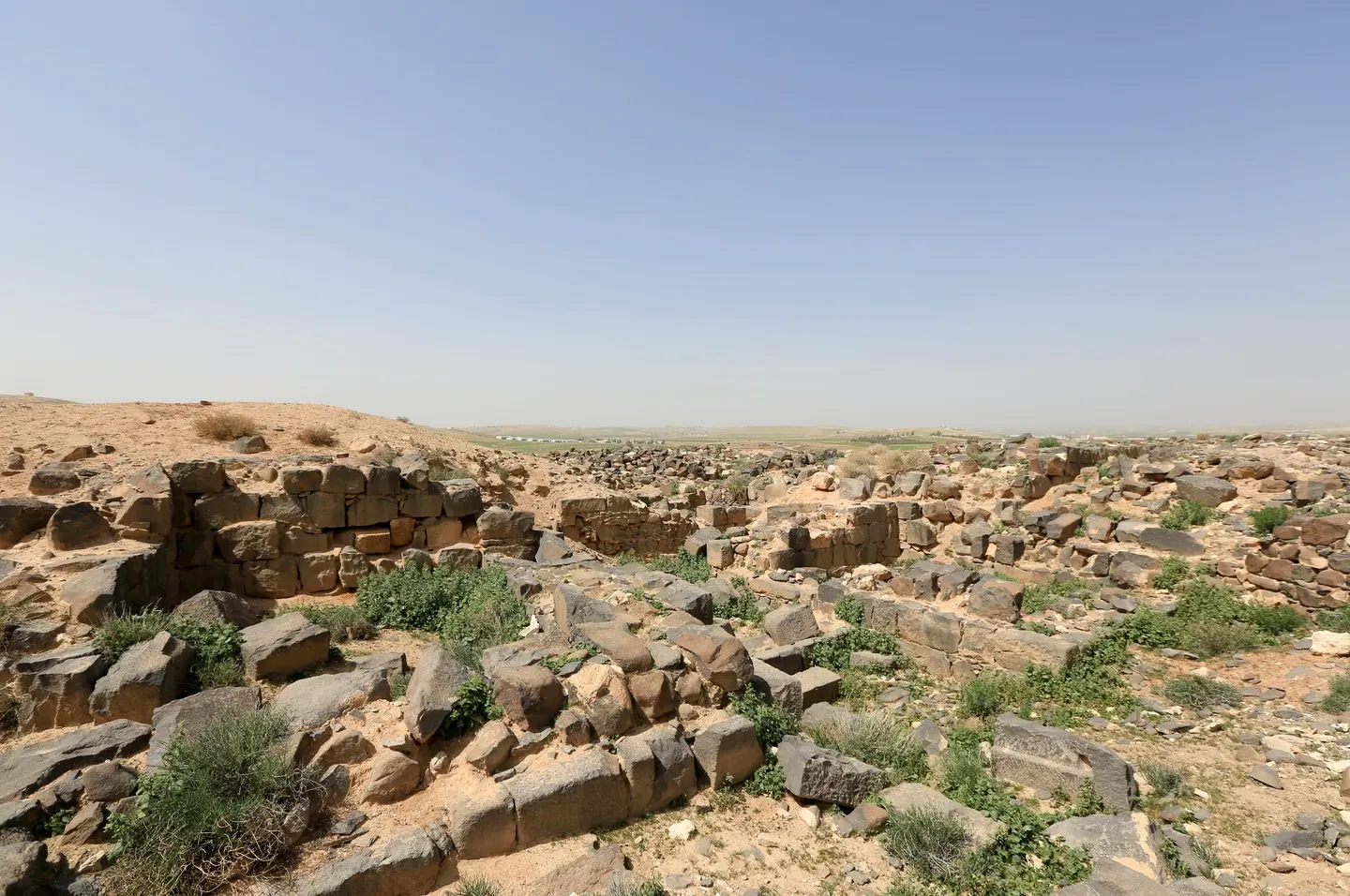
El-Lejjun is a Roman legionary fortress on the Karak plateau in central Jordan, often identified as ancient Betthorus. The surface remains are low, so a plan gives you more to work with than a list of monuments. Use one to trace the enclosure, then ask how a garrison was housed, supplied and organized inside it.
Where is El-Lejjun?
Look for the archaeological site in Jordan’s Karak Governorate. Maps and publications may call it Lajjun, Lejjun or Betthorus. When arranging a visit, share a pin and specify the Roman fortress near Karak. ACOR places the fortress on the Karak plateau and describes it as a major focus of S. Thomas Parker’s research on the Roman frontier. ACOR account of Parker’s fieldwork
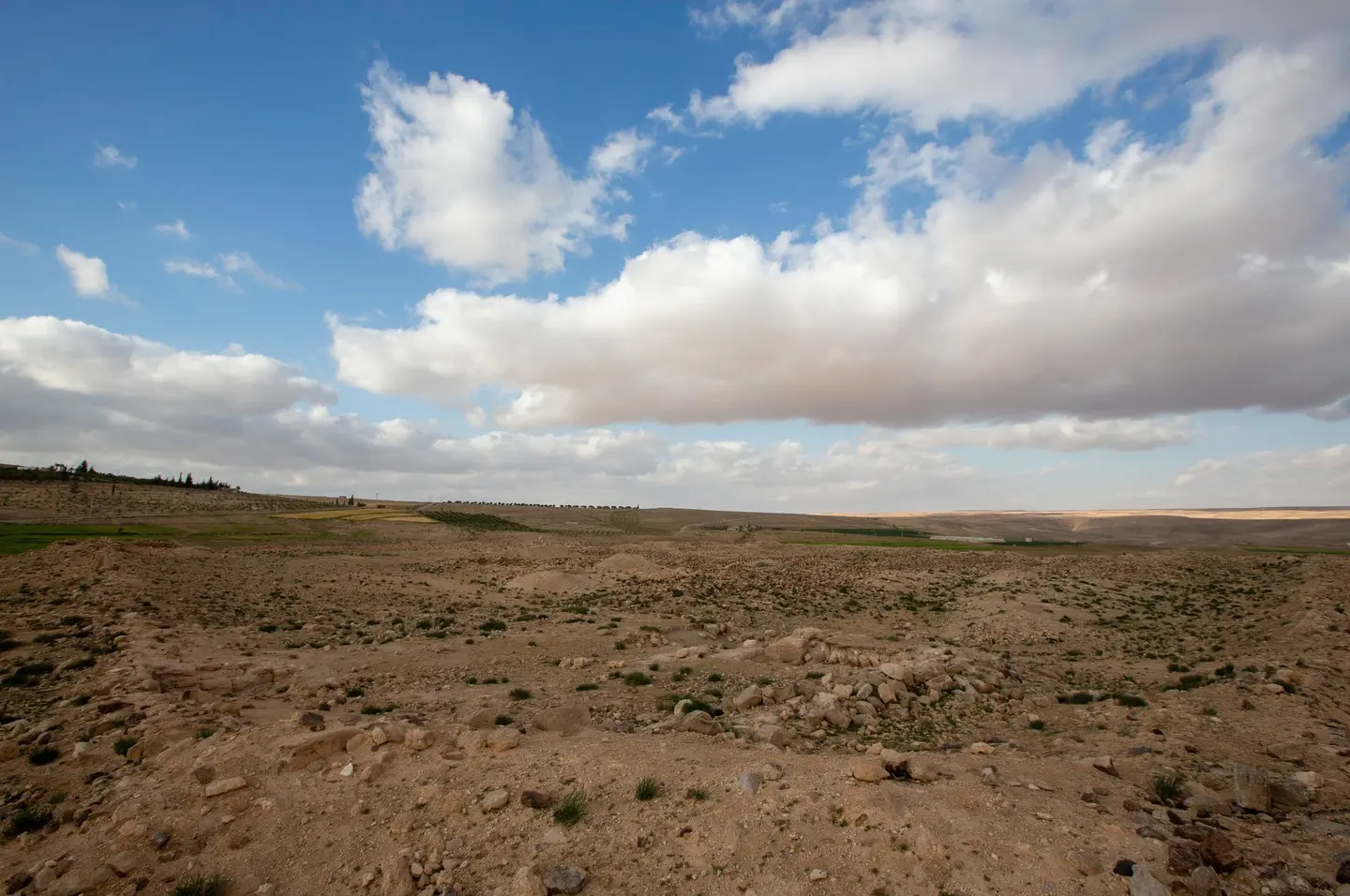
The photograph accompanying this guide shows the site’s open setting in 2013. It gives a sense of why a map helps here. From ground level the lines of the camp can give way to scattered masonry and rolling terrain.
Start with the headquarters and barracks
The 1989 season report describes excavations in the headquarters, or principia, as well as barracks, fortifications and a reservoir. The excavation team also opened an area at a bathhouse against the north wall and investigated structures in the adjacent civilian settlement. Start with the overall site plan and use those spaces to think about what a garrison needed day to day. Department of Antiquities field report
Notice how a barrack block divides a long space into smaller rooms. Compare that pattern with the larger spaces of the headquarters plan. Looking at different room sizes and the routes between them helps you place an isolated stretch of wall in a wider layout.
Look for clues to rebuilding
Parker’s team reported that some original limestone barracks were rebuilt mainly in chert after the earthquake of 363. Later activity reused parts of the earlier layout. This is a useful reminder that a fortress plan can show several episodes of occupation at once. A wall that follows an older alignment may still belong to a later building phase.
For a comparison, read our Qasr Bshir guide or Da’janiya Roman fort guide. The excavation project sampled smaller frontier installations alongside El-Lejjun. Looking at their plans side by side helps explain why the scale and organization of the legionary base stand out. Limes Arabicus Project overview
Plan a flexible detour from Karak
Confirm the final road approach, permission and allowed walking areas with a local guide before setting out. We could not verify a current official timetable, ticket price or managed visitor entrance. A field report identifies excavation areas, but access on the ground depends on present conditions and permission.
If a visit is possible, ask your guide to orient you from an allowed viewpoint before you walk farther. Avoid climbing loose masonry and leave finds in place. If time or access is uncertain, build the day around Karak Castle, then add El-Lejjun if arrangements can be confirmed.
Sources checked on 24 November 2026. Confirm current road and site access locally.