Khirbet es-Samra: A Roman Road Station and Village in Jordan
Learn what excavations at Khirbet es-Samra reveal about travel on the Via Nova Traiana, how to read the site plan and what to confirm before a visit.
Khirbet es-Samra gives a human scale to Roman travel in Jordan. Archaeologists investigated a building beside the Via Nova Traiana where travellers may have paused, alongside the wider evidence of a Roman and Byzantine settlement. The road station plan and animal remains tell different parts of the story. One maps the spaces in the building, while the other shows what people left behind.
Find the right Khirbet es-Samra
Search for the archaeological site in Jordan and share the precise map location with your driver. The excavation study places the road station about 600 metres from the Byzantine village. A pin for the village is therefore a starting point for discussing the area. Ask a guide which remains you can identify from the permitted approach. Excavation study in the Journal of Roman Archaeology
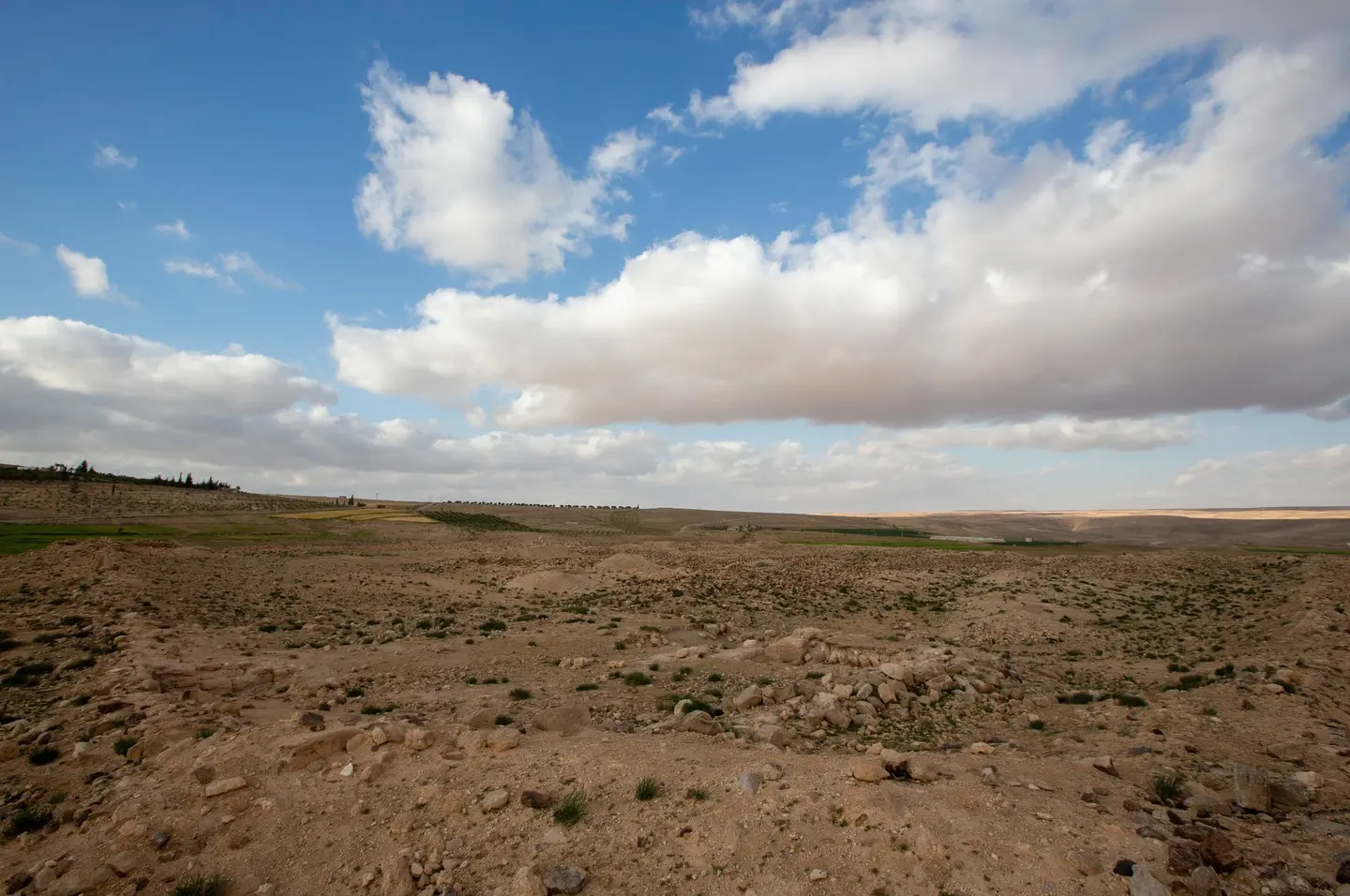
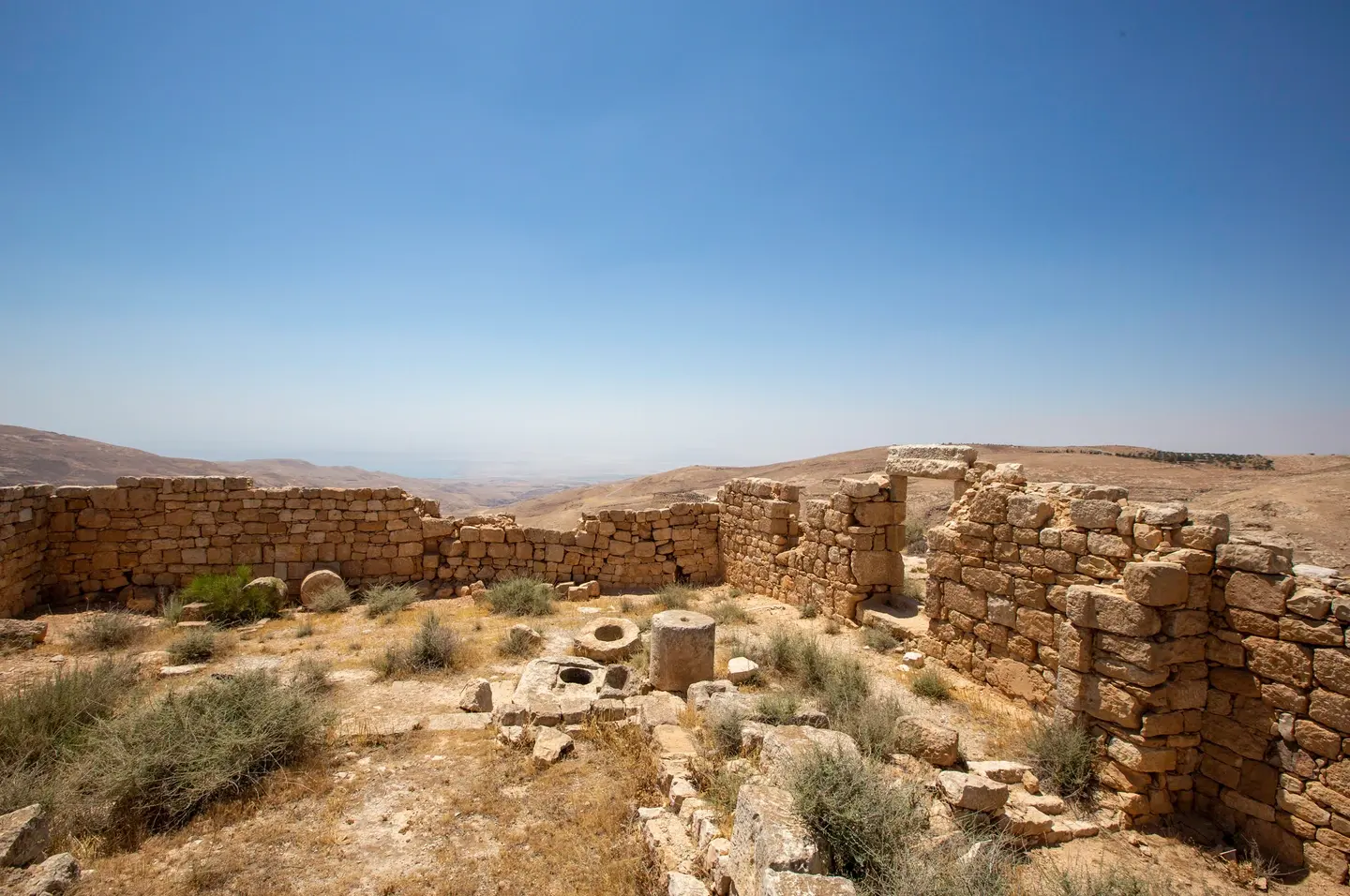
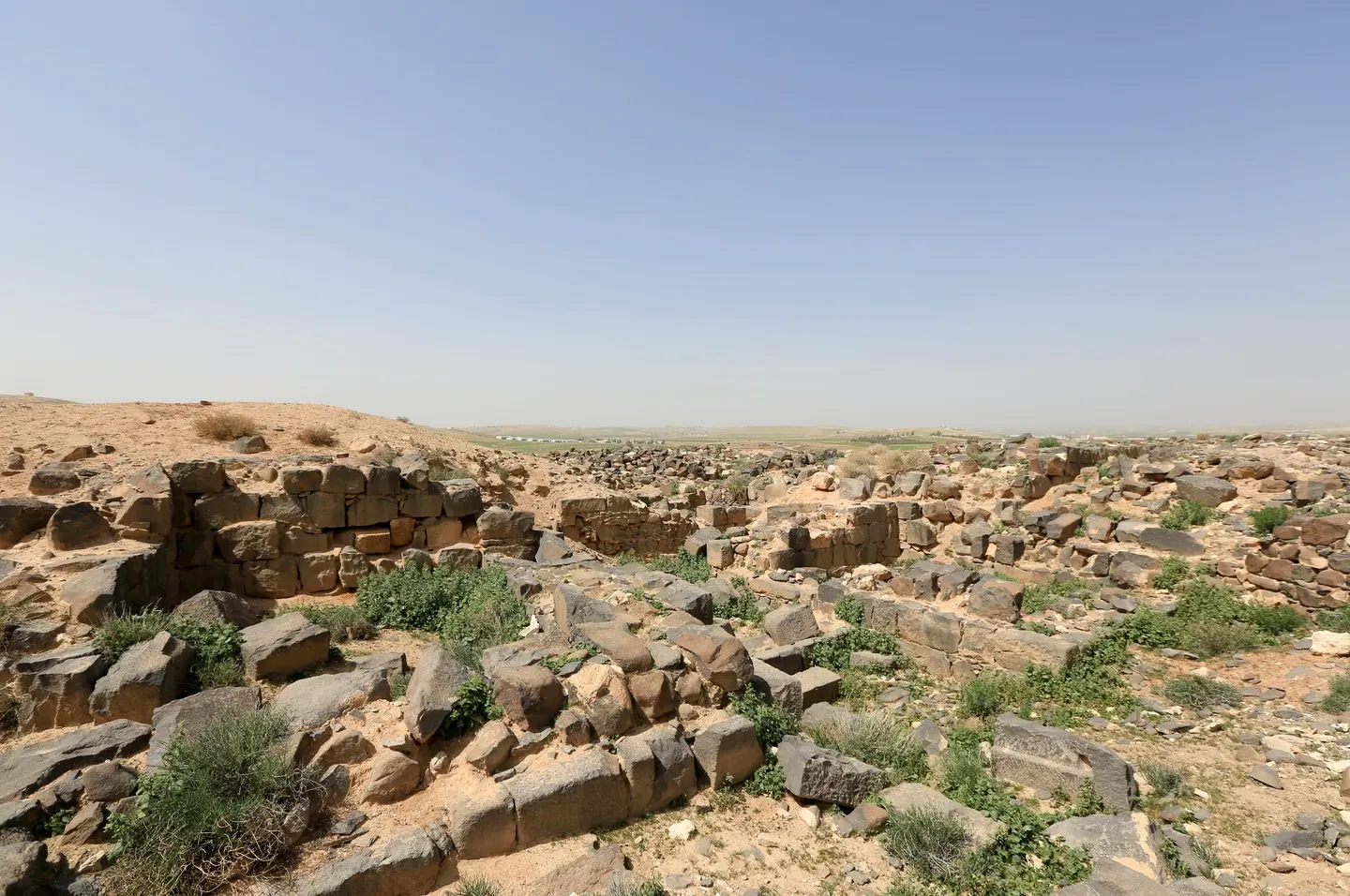
The featured photograph shows low walls at Khirbet es-Samra in 2013. Read it as an overview of the ruins. For the layout of the specific roadside building, turn to figure 3 in the study.
How to read the Roman road station plan
The published plan shows rooms arranged around a courtyard within a building about 30 by 24 metres. Follow the plan from the western entrance toward the courtyard before looking at the rooms. The excavator uses mansio for a roadside stop in a broad sense. Its formal status within Roman administration remains uncertain.
Look at how the author moves from a find to an interpretation. A drain, bench and small platform together support the suggestion of a bathing space. A low wall on its own tells you much less. This distinction is useful when a ruin has few obvious landmarks or when a later wall crosses an earlier one.
What animal remains tell us
The study examines bones from animals including sheep or goats, pigs and cattle. These remains are part of the evidence for how people used the building. They cannot reconstruct a traveller’s complete meal or establish what everyone passing through ate. Ask what kind of context a bone came from and whether it carries signs of processing. The research is easiest to follow when you connect each interpretation to where the material was found.
On a wider itinerary, Qasr al-Hallabat offers a comparison with a site whose buildings changed purpose over time. If you are interested in the later history of transport, our Hejaz Railway Museum guide covers a separate period and technology.
Confirm the approach before a visit
We could not verify published hours, a ticket price or a staffed entrance for the ruins. Ask a guide or accommodation provider to confirm the correct turning, where to leave a vehicle and whether public access is allowed. If there is no confirmed route to the road station itself, you can still study the published plan before visiting a managed site elsewhere.
Wear shoes suited to uneven ground if a visit is possible. Leave stones and fragments where they are, and keep clear of deep cuts and unstable walls.
Sources checked on 24 November 2026. Verify present access and local conditions before making a detour.