Khirbet al-Mukhayyat: The Ancient Town of Nebo and Its Mosaics
Explore Khirbet al-Mukhayyat near Madaba, the likely ancient town of Nebo, and learn what to look for in the mosaics of Saints Lot and Procopius.
Khirbet al-Mukhayyat is a hilltop archaeological site west of Madaba, near Mount Nebo. Its Byzantine churches give you a reason to linger in the area, especially if you want to see how mosaic floors were designed for a particular congregation and building. Plan the two Nebo stops separately and confirm whether the Church of Saints Lot and Procopius can be opened for your visit.
The ancient town and the Mount Nebo memorial
Archaeologists generally identify Khirbet al-Mukhayyat with the ancient town of Nebo named in the Mesha Inscription. That identification reaches back to the Iron Age. The Byzantine churches that draw attention today belong to a much later chapter in the place’s history. The Town of Nebo Archaeological Project describes both the early evidence and the history of work on the church buildings. Town of Nebo Archaeological Project
When giving directions, specify Khirbet al-Mukhayyat or the Church of Saints Lot and Procopius. The Memorial of Moses stands at nearby Siyagha, a separate hill and visitor stop. If you have time for both, start with our Mount Nebo visitor guide and confirm access at Mukhayyat independently.
How to look at the mosaic floor
Researcher Kristen Flake describes the sixth-century pavement at Saints Lot and Procopius as a composition spread across the nave, with vines around birds and animals, scenes of hunting and herding, and boats and fishers. Her fieldwork asks how those images appeared to people at different points in the church. Flake’s research account at ACOR
If the church is open, first take in the whole pavement from the permitted viewing area. Trace one strand of vine across several scenes, then look for where a border divides one part of the floor from another. Try to picture which shapes would have been legible from the doorway and which would have emerged as a person moved closer. Follow the attendant’s directions on photography and keep to the designated surface.
What else has been recorded at Mukhayyat?
The project documents other churches and chapels, including the Church of Saint George on the acropolis and the Chapel of the Priest John on the eastern slope. Use those names to ask a guide what can be seen on the day. The archaeology covers more ground than the mosaic shelter, and the name of an excavated building on a map does not tell you whether it is accessible.
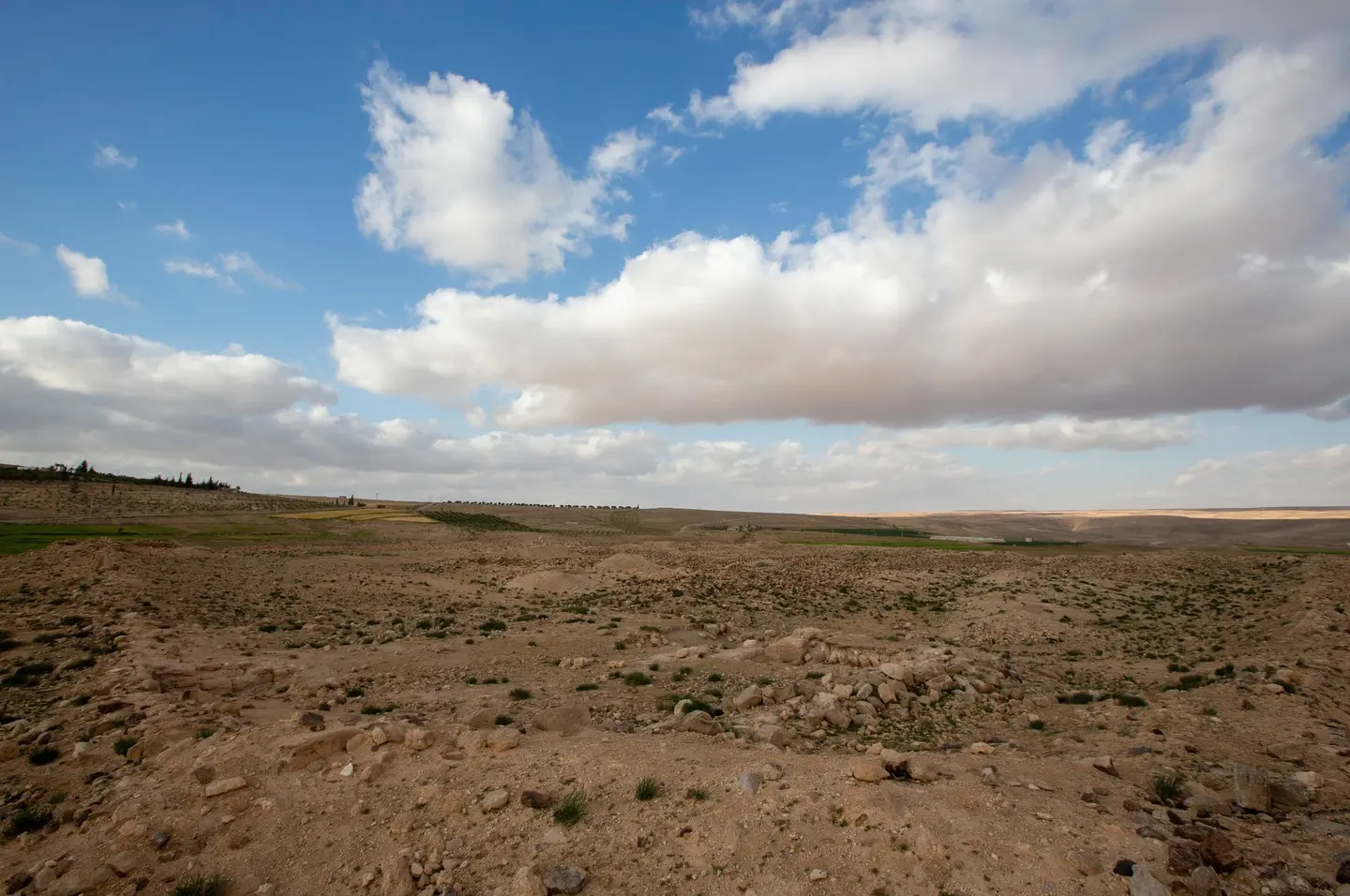
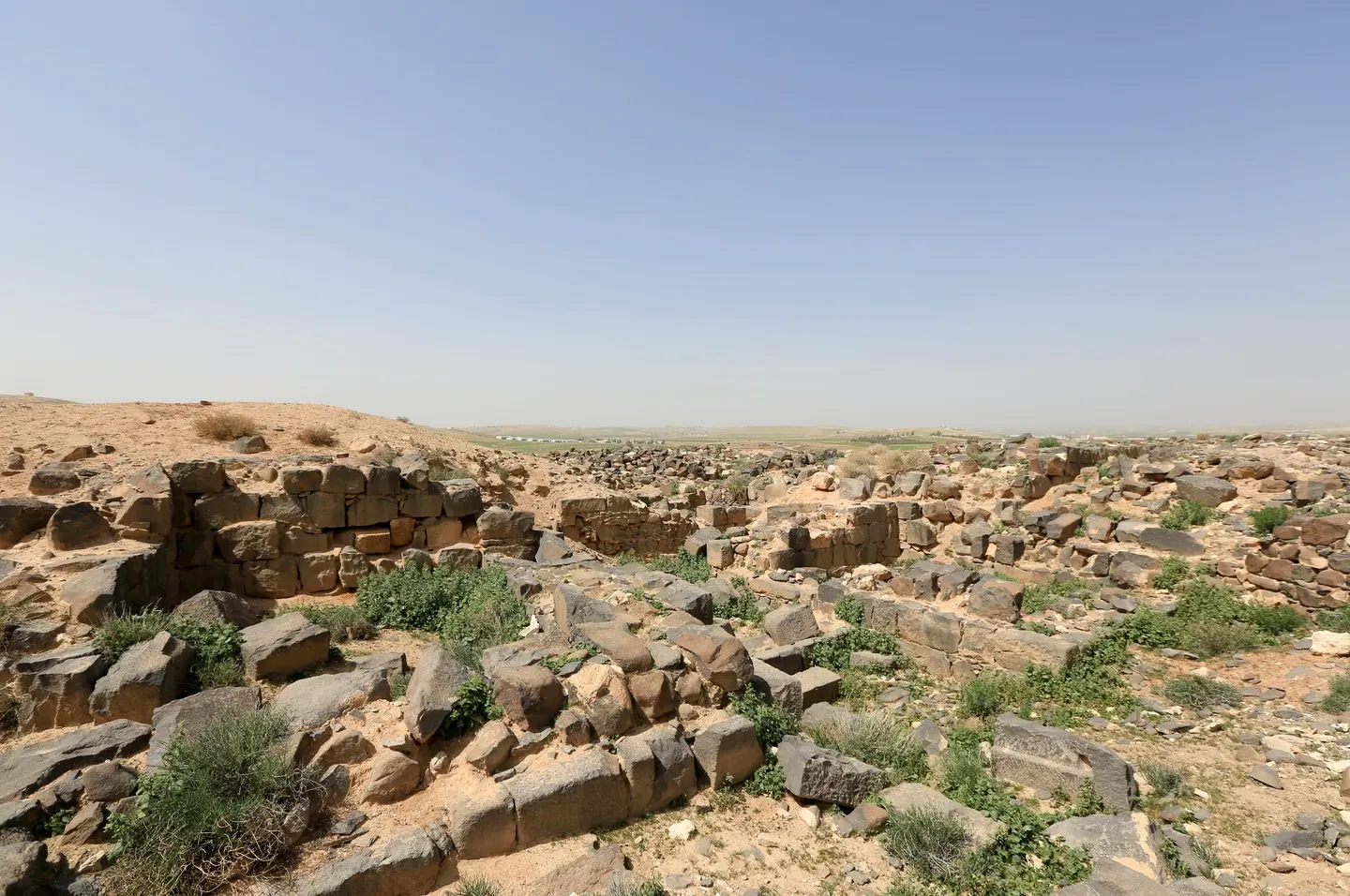
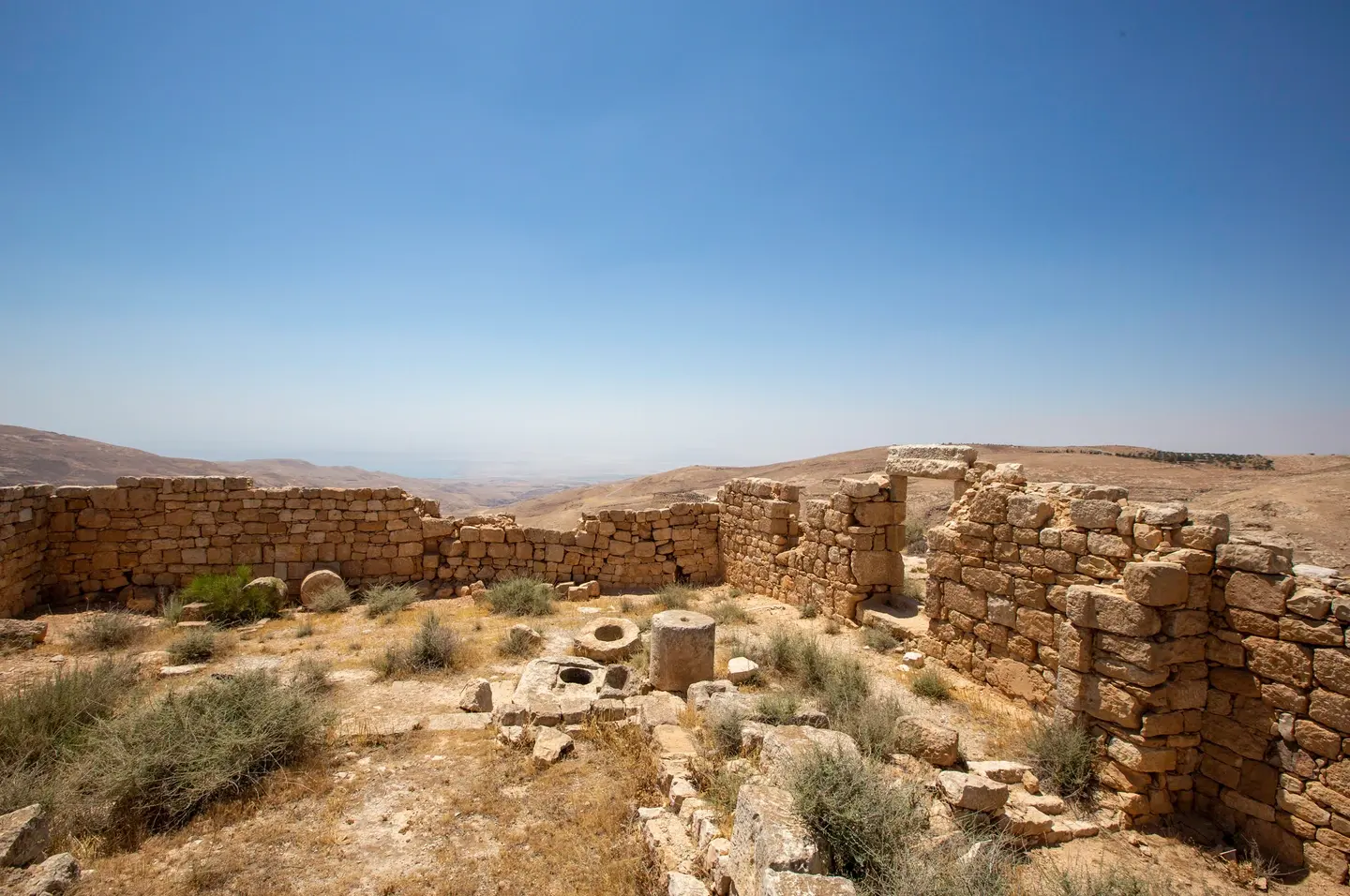
The photograph with this guide shows exterior ruins in 2013. For an interior view of the mosaic, see Flake’s published photograph and compare its floor plan with the exterior terrain.
Plan a stop from Madaba
Give your driver the exact site name and ask them to confirm where to stop, which paths are open and whether the church interior can be visited. We could not verify current posted hours or a standard admission price for the church. If steps or uneven paths would affect your visit, ask specifically about the route from the drop-off point to the viewing area.
If the church cannot be opened, our Madaba mosaics walking guide offers stops in town. Comparing a mosaic there with the published Mukhayyat floor can still help you see how the size and purpose of a room shape what its pavement depicts.
Sources checked on 24 November 2026. Confirm current access with a local guide or the site custodian.