Abila at Qweilbeh: Planning an Archaeological Visit in Northern Jordan
Explore Abila at Qweilbeh with context on its columns, churches and ancient water systems, plus practical advice for planning a northern Jordan visit.
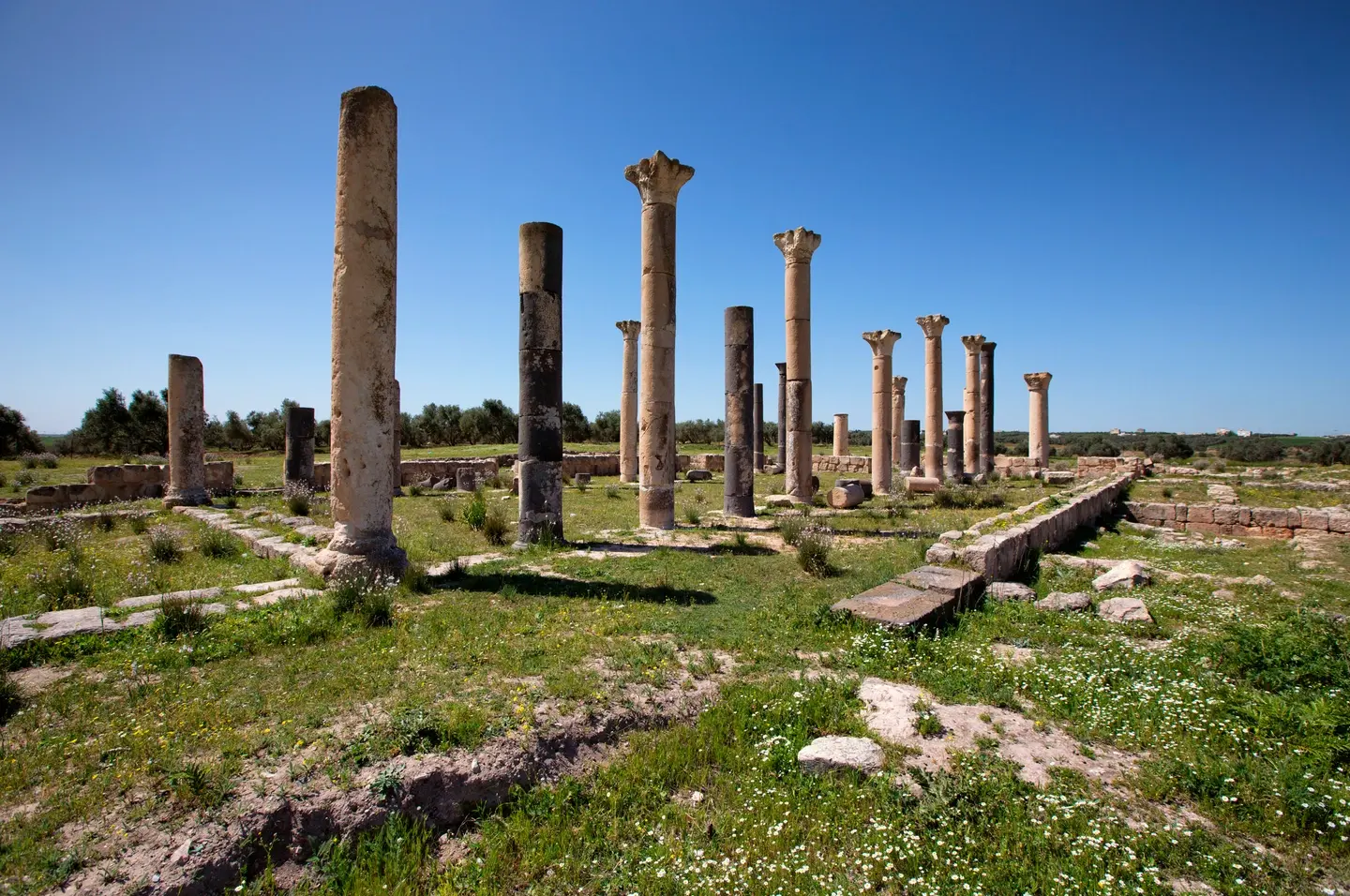
Abila at Qweilbeh offers an opportunity to think about an ancient city as a landscape rather than a single monument. Columns make a striking first impression, but the relationship between buildings, hills and water gives the site a broader story. Choose it for a considered archaeological outing, with the areas open to visitors established before departure.
Find the right Abila
Jordan’s submission to UNESCO’s Tentative List identifies the site as Abila City, modern Qweilbeh. Its description places the city south of the Yarmouk River and identifies Tell Abil and Khirbet Umm el-Amad as its central areas. Use the modern name as well as Abila when arranging a driver or guide. Source: Jordan’s Abila submission.
Check that your map pin and local directions refer to the archaeological site in northern Jordan. The name alone should not determine the route. Ask where to meet and park, and whether different parts of the visit require transport between them.
Begin with the columns, then ask about the city
The submission describes a basilica with contrasting basalt and limestone columns, alongside evidence of streets, baths, water infrastructure and other religious buildings. It connects Abila with the cities known as the Decapolis. Source: site description.
A useful approach is to choose a small number of features with a guide instead of trying to identify every visible wall. At the columned remains, compare the materials, capitals and spacing from the permitted visitor route. Ask which elements belong to the building’s construction and which have been repositioned or conserved.
Then broaden the view. Where did people move between buildings? How was water brought into the city? Those questions can turn separate ruins into an intelligible place without requiring you to reconstruct missing buildings in your imagination.
Is Abila a World Heritage Site?
Abila is on Jordan’s Tentative List, submitted on 18 June 2001. This is distinct from inscription on the World Heritage List. Source: UNESCO listing status.
Treat that entry as historical background, not a current visitor-service directory. Its account of archaeological features does not mean every feature is visible, accessible or open on your travel date.
Confirm access before setting out
A dependable current timetable, admission price and complete accessibility description were not established in the reviewed official material. Ask a local guide or the relevant antiquities office about entry, caretaker arrangements, areas under restriction and the appropriate arrival point.
Explain your group’s mobility needs and ask about surfaces, slopes, steps and distances between the proposed stops. Request a route that fits the least mobile member rather than agreeing to a general “site tour” without details.
Carry water, sun protection and footwear suitable for uneven ground. Check the forecast and ground conditions before travelling. Arrange toilets and meals separately unless their availability has been confirmed.
Observe without disturbing
Remain on permitted routes, keep off columns and walls, and leave loose stones or other material where you find them. Do not enter tombs, excavations or enclosed spaces simply because an opening is visible. Ask before photographing individuals and respect nearby agricultural activity.
The featured photograph dates to March 2013. Its spring vegetation and visible remains illustrate one moment at the site; they do not establish present conditions.
Fit Abila into a northern itinerary
Read our Umm Qais visitor guide for another archaeological subject in northern Jordan. If considering both, compare the confirmed visits and driving time before combining them.
For transport choices, consult getting around Jordan. A focused visit to one area with sound interpretation can be more rewarding than collecting several hurried stops.
Sources checked on 14 November 2026. Current entry, facilities and visitor routes require direct local confirmation.