Busayra Archaeological Site: How to Understand Edom’s Ancient Town
Plan a thoughtful visit to Busayra in southern Jordan, with context on ancient Edom, the excavated buildings and the access questions to ask before setting out.
Busayra rewards visitors who want to understand an ancient town through its landscape and building remains. In southern Jordan, the site opens a window onto Edom beyond a list of royal names and dates. Go with some background reading and a locally confirmed access plan: low walls become much more interesting when you know what questions to ask.
Busayra, Buseirah and Bozrah
You may encounter the spellings Busayra and Buseirah, as well as the ancient name Bozrah. Creighton University’s archaeological overview places Buseirah along the King’s Highway in the region of ancient Edom and describes ruins extending northwest of the modern village onto a promontory. Source: Creighton University Virtual World Project.
Use “Busayra archaeological site, Jordan” when discussing a visit. Share the exact map location with your driver so that similar ancient place names do not send the conversation toward a different destination.
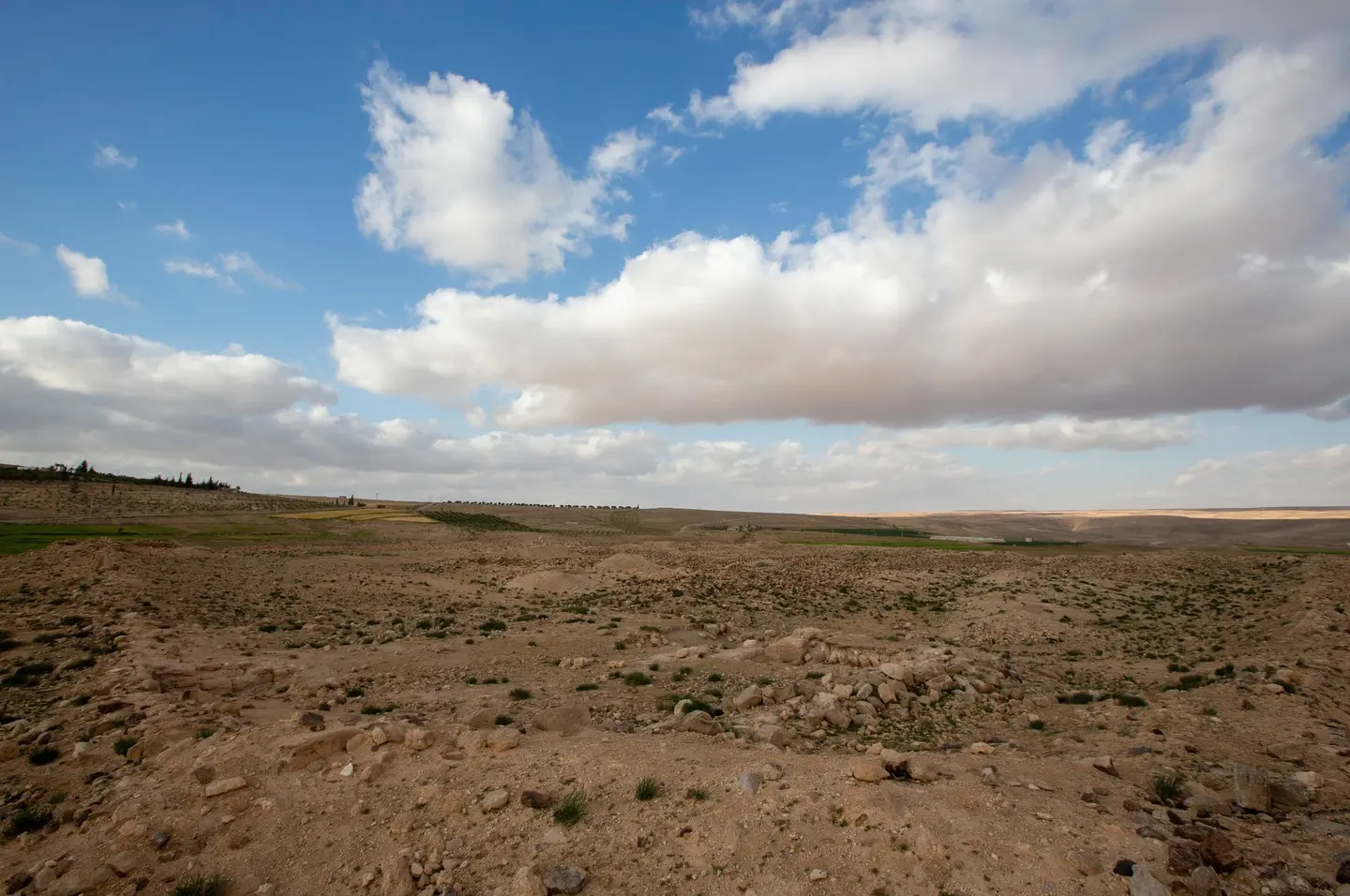
The setting is an important part of the story. Before studying individual walls, look at the relationship between the settlement, the surrounding slopes and the modern community.
Why does Busayra matter?
In the description of his February 2025 ACOR lecture, archaeologist Benjamin Porter presents Busayra as the widely accepted administrative centre of the kingdom of Edom. He discusses substantial public buildings and residential areas uncovered on the summit, together with later research exploring a more extensive settlement. Source: ACOR lecture description.
That combination gives you two scales to consider: individual excavated buildings and a larger town whose full layout requires research. The visible trenches are only part of the evidence.
The ACOR page records a past lecture, not a current visitor programme. Do not treat its event date, contact details or discussion of future development as proof that a guided visit is operating now.
Read the remains as connected spaces
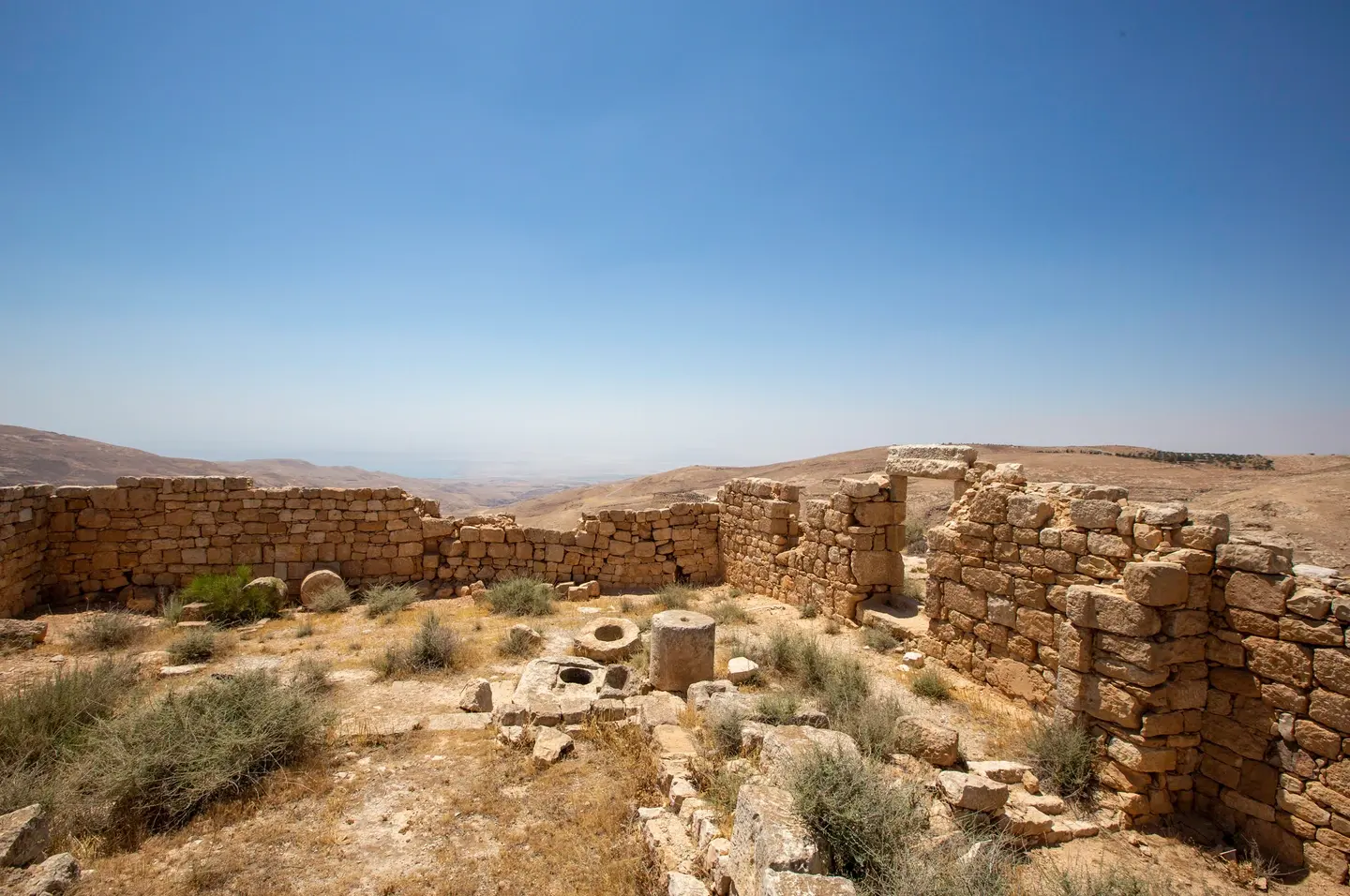
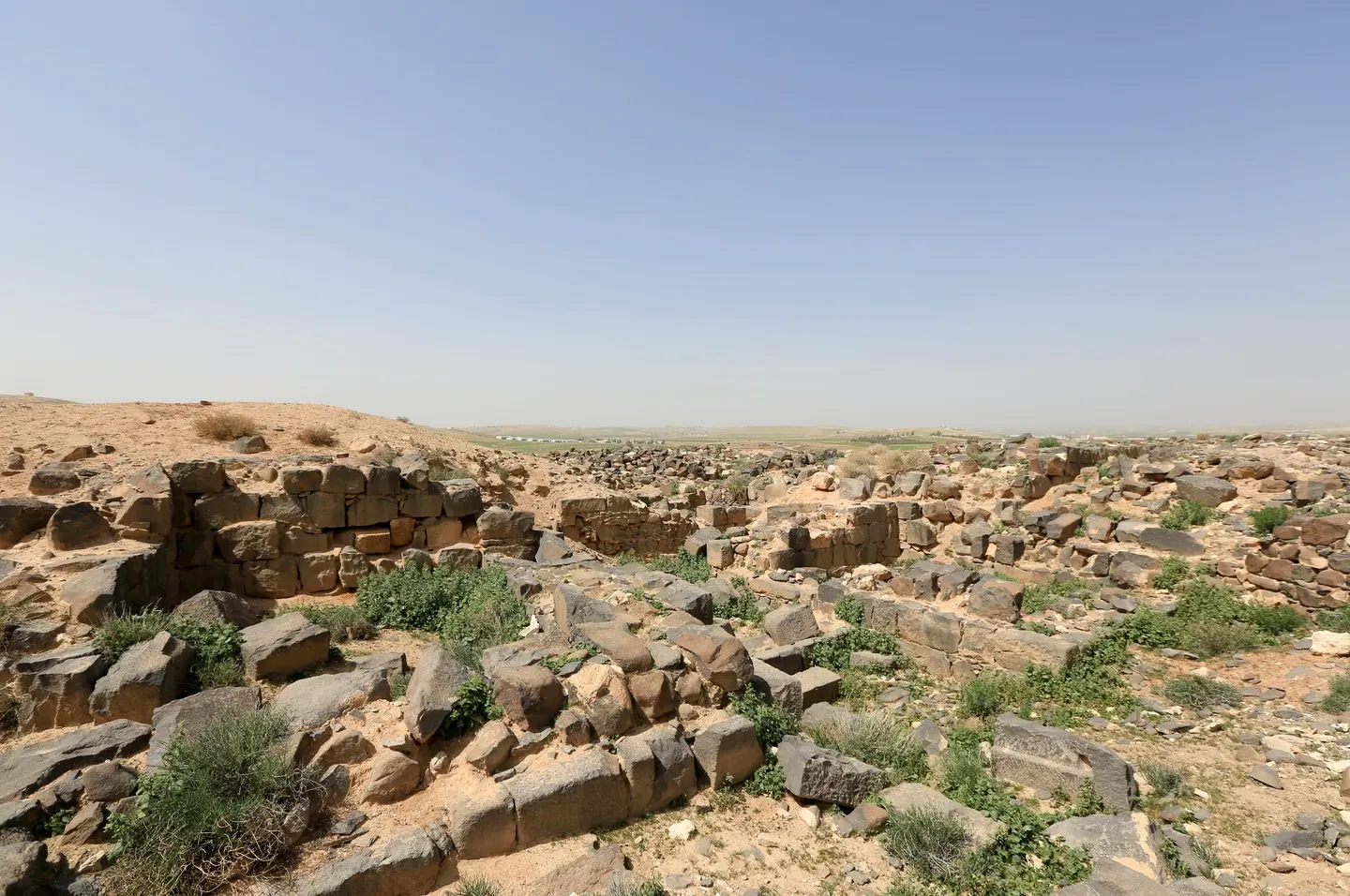
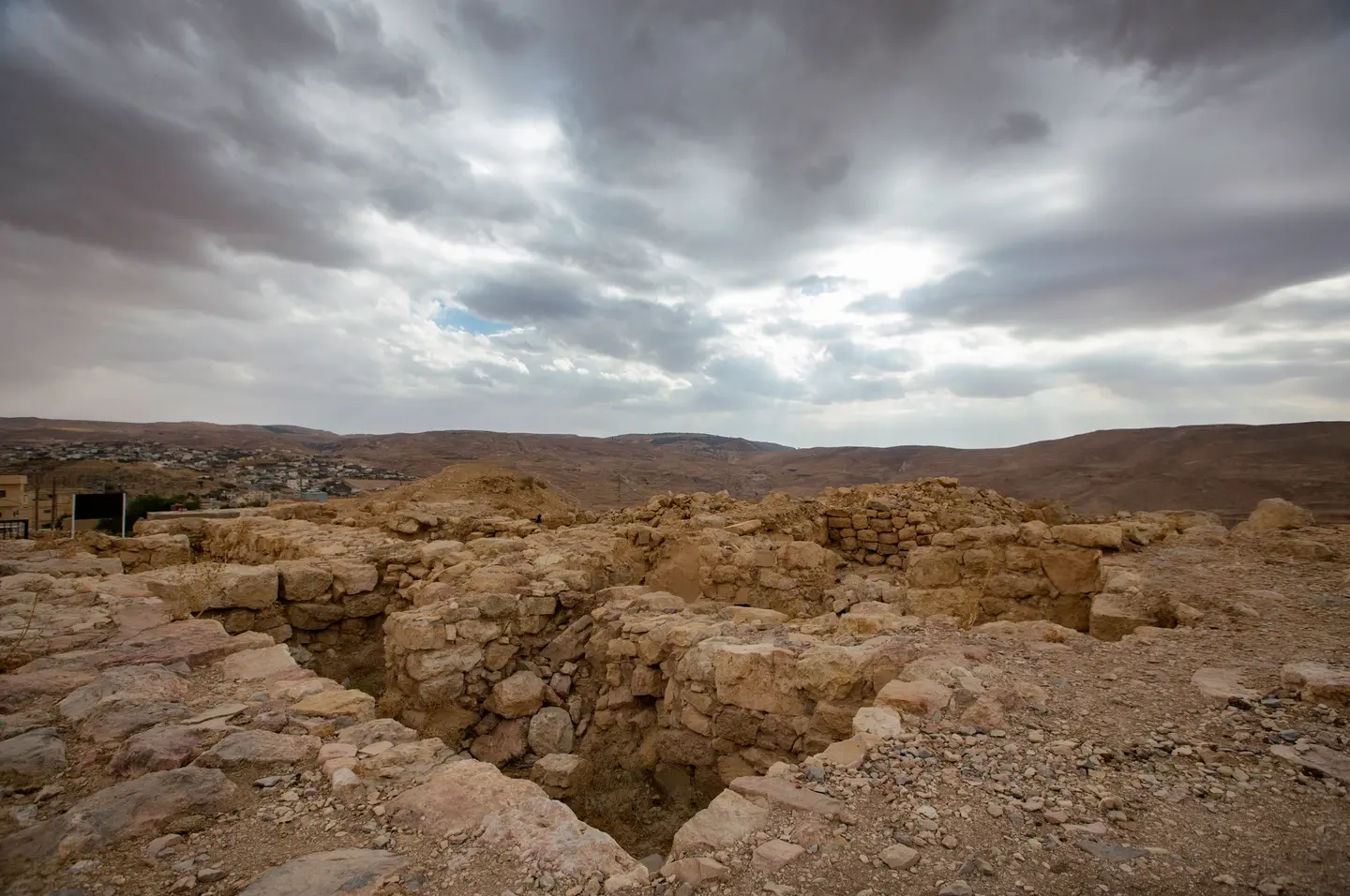
Start by identifying wall lines and room outlines from a permitted viewing position. Try following a boundary with your eyes before stepping forward. A plan or guide’s explanation can help distinguish a passage from a room and an ancient surface from excavation fill.
Creighton’s overview describes monumental building complexes, housing and fortifications, and records excavations led by Crystal-M. Bennett during the 1970s and in 1980. Use that background to ask how the excavated areas relate, rather than expecting every exposed wall to belong to one building.
Ask which interpretations are established and which remain under discussion. Avoid assigning a room a ceremonial or domestic function simply because it looks impressive or contains a distinctive feature.
Arrange a visit before leaving
We have not verified current official opening hours, ticketing or a regular staffed entrance for the archaeological site. Ask a local guide or accommodation provider to confirm permission, the approach and any restrictions before making a dedicated journey.
Request the location of the allowed entrance and a suitable parking point. Ask whether a guide can explain the excavations and whether the visit requires walking over rough ground. Confirm the return journey at the same time.
A photograph from 2013 accompanies this guide. It is an authenticated view of Busayra’s ruins, not a promise that every pictured area is currently accessible.
Combine nearby history without rushing
If you are exploring the Tafila area, our Sela visit guide offers another way to consider the region’s ancient landscape. Confirm each site separately; proximity does not mean shared access arrangements.
For a trip continuing toward Dana, choose your activity using the Dana walks guide. Leave room for the walking conditions and daylight rather than assuming an archaeological stop and a substantial hike fit comfortably together.
At Busayra, keep to permitted routes, leave pottery and stones in place and avoid unstable edges. A useful visit ends with a clearer sense of how a town occupied its landscape, even when many details remain questions for archaeologists.
Sources checked on 22 November 2026. Confirm current access, local conditions and guiding arrangements directly; no admission price or opening schedule is asserted here.