Khirbet et-Tannur: A Guide to Jordan’s Nabataean Temple Sculptures
Trace the sculptures of Khirbet et-Tannur, including its Vegetation Goddess and zodiac, from a hilltop sanctuary in Jordan to museum collections.
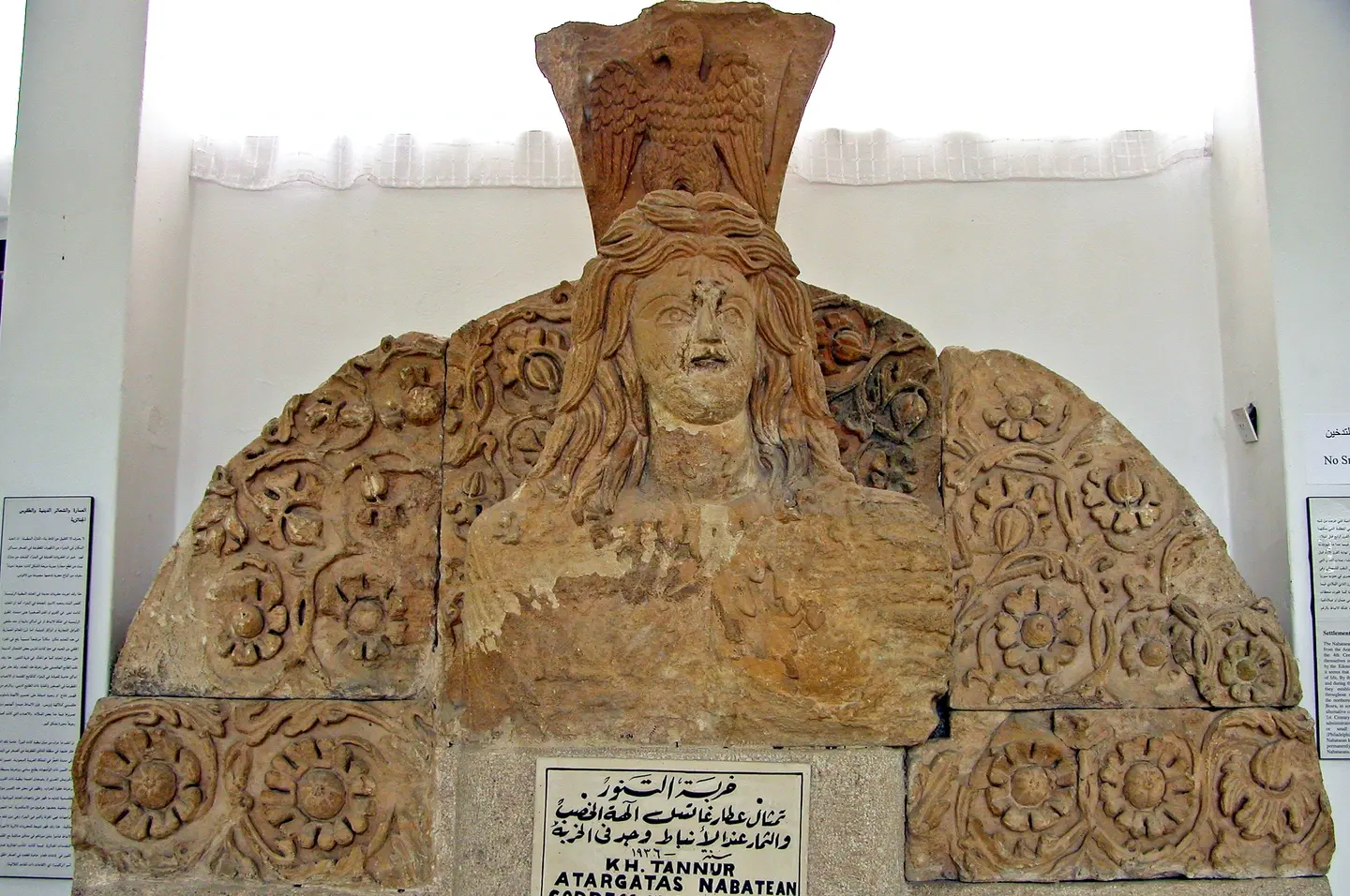
Khirbet et-Tannur comes into focus when you look at what once decorated its sanctuary. A female figure framed by plants, a zodiac ring and fragments of an elaborate shrine give clues to how the Nabataeans represented divinity. If you are planning a trip through Jordan or a museum visit, start with one object and work back to its place in the building.
Where was the temple?
Khirbet et-Tannur was a sanctuary on a hill in southern Jordan. It is a separate site from the valley settlement of Khirbet edh-Dharih. Nelson Glueck’s 1937 excavation recovered many of the carvings now used to interpret the sanctuary. Oxford’s research project brought excavation records and objects held in different collections together to reconstruct how the monument changed over time. University of Oxford temple project
The project’s illustrated booklet includes a cutaway drawing of the inner enclosure. Look at that drawing before looking closely at the carvings. It helps you imagine which pieces a person approaching the sanctuary would have seen overhead and which belonged deeper inside.
Why is the Vegetation Goddess also called Atargatis?
The 2004 photograph at the top of this guide captures an older Amman display with a label naming the figure Atargatis. Oxford’s booklet calls it the Vegetation Goddess and discusses a different possibility: that the imagery personified a nearby spring. The identification is a scholarly interpretation. You can see the visual evidence for yourself in the carved plants that surround the figure. Oxford’s illustrated excavation booklet, figure 46
Pay attention to where the panel was placed. The reconstruction puts it above a doorway into the inner enclosure. That location changes how you read it. You can imagine the figure encountering visitors as they moved toward the raised altar platform.
Follow the zodiac and the shrine fragments
The illustrated booklet also identifies a zodiac relief that frames a bust of Tyche, a figure associated with fortune. Its pieces are catalogued across collections. Look first for the bust at the centre and then for the signs around it. That reading order helps make sense of a fragment when only part of the ring survives.
The Cincinnati Art Museum’s online record for the east façade of the shrine gives another starting point. Compare the architectural fragments with the reconstructed enclosure to see how individual stone blocks helped form a larger composition. Cincinnati Art Museum object record
Choose between a museum visit and a site visit
For Amman, use our Jordan Museum guide and Jordan Archaeological Museum guide to plan the rest of your visit. Confirm the current location and display status of any specific object before booking around it. The featured photograph documents the 2004 display, while the Oxford booklet identifies the Vegetation Goddess as held by the Jordan Museum.
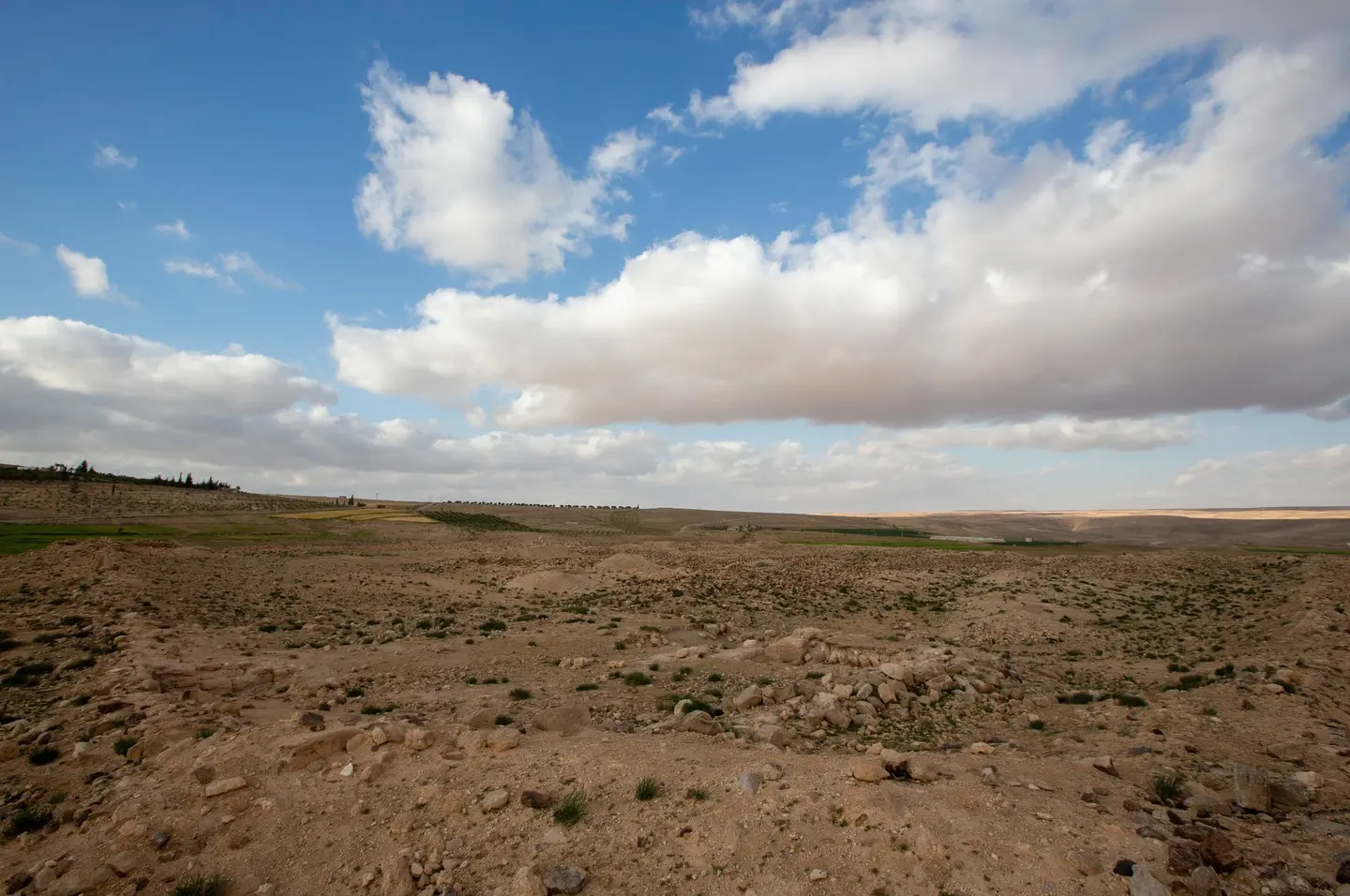
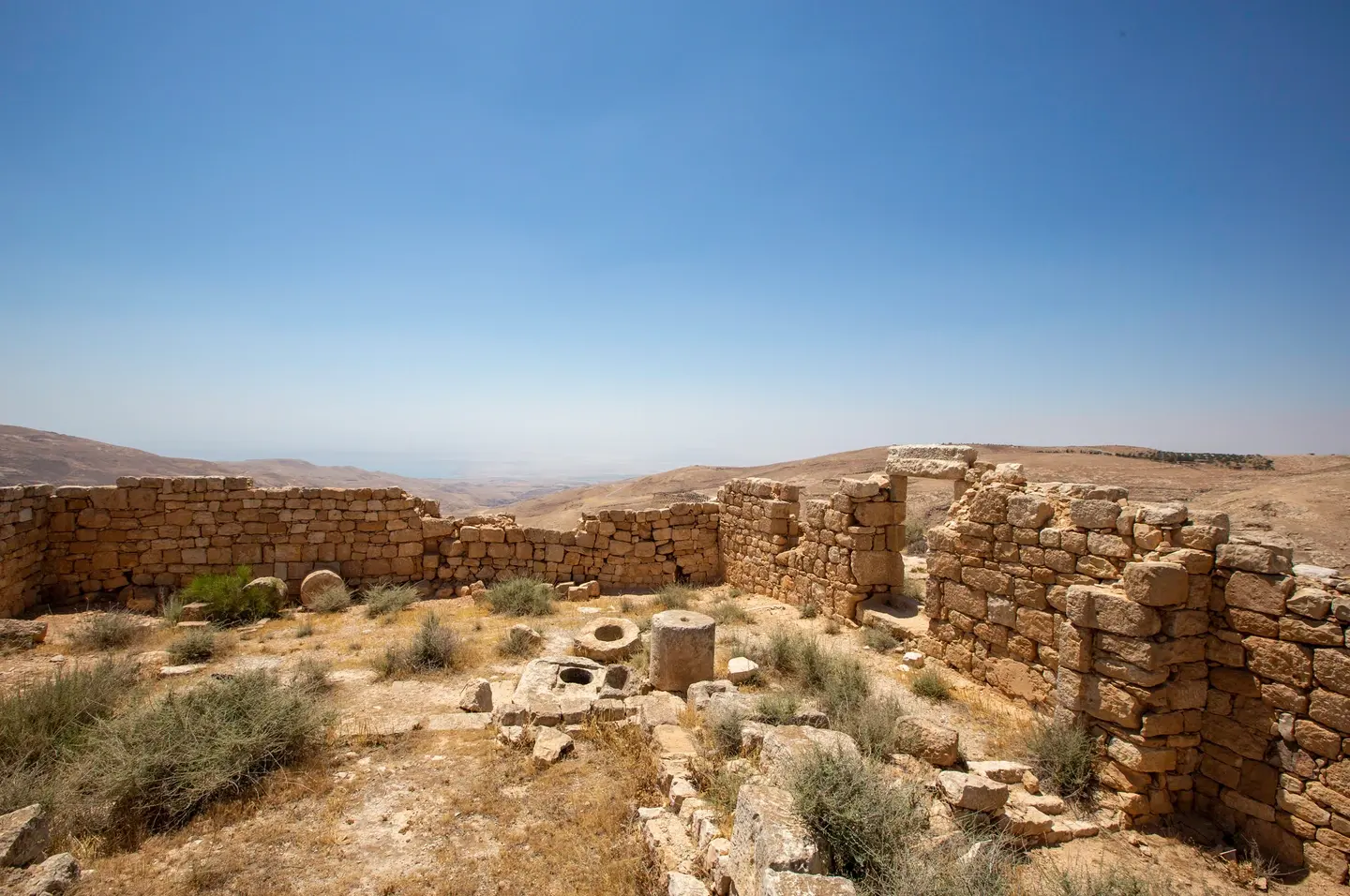
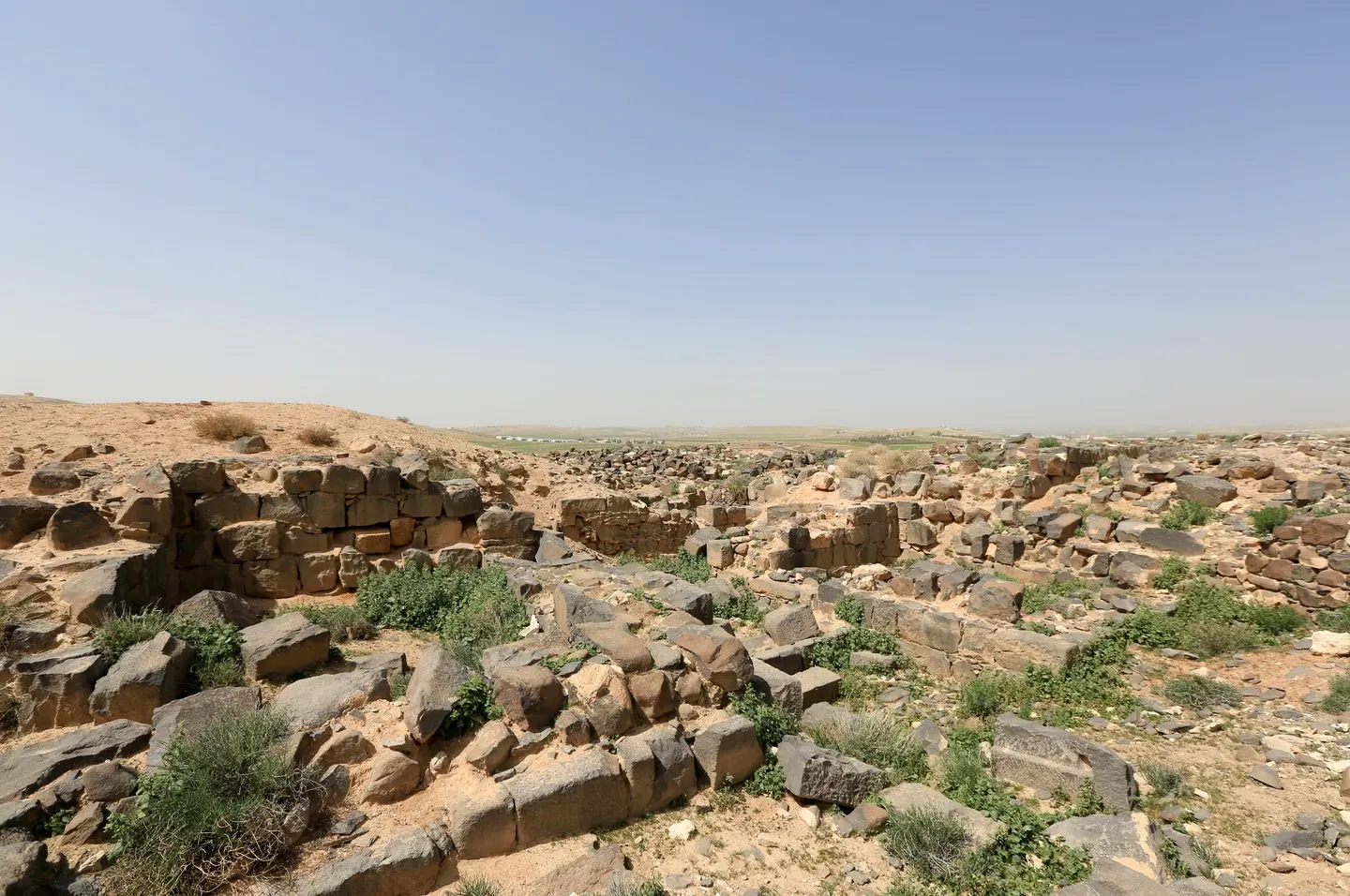
For the hilltop itself, ask a local guide to verify access, terrain, parking and what remains visible on the ground. We could not confirm a current managed entrance or published admission schedule. The online records and booklet offer a way to follow the sculpture story even if the hilltop cannot fit into your route.
Sources checked on 23 November 2026. Collection records describe holdings and provenance. Confirm current displays and site access separately.