Tell Hesban: A Guide to Reading Jordan’s Layered History
Explore Tell Hesban’s layered archaeology, reservoir, churches and later buildings, with practical advice on access, interpretation and planning a visit.
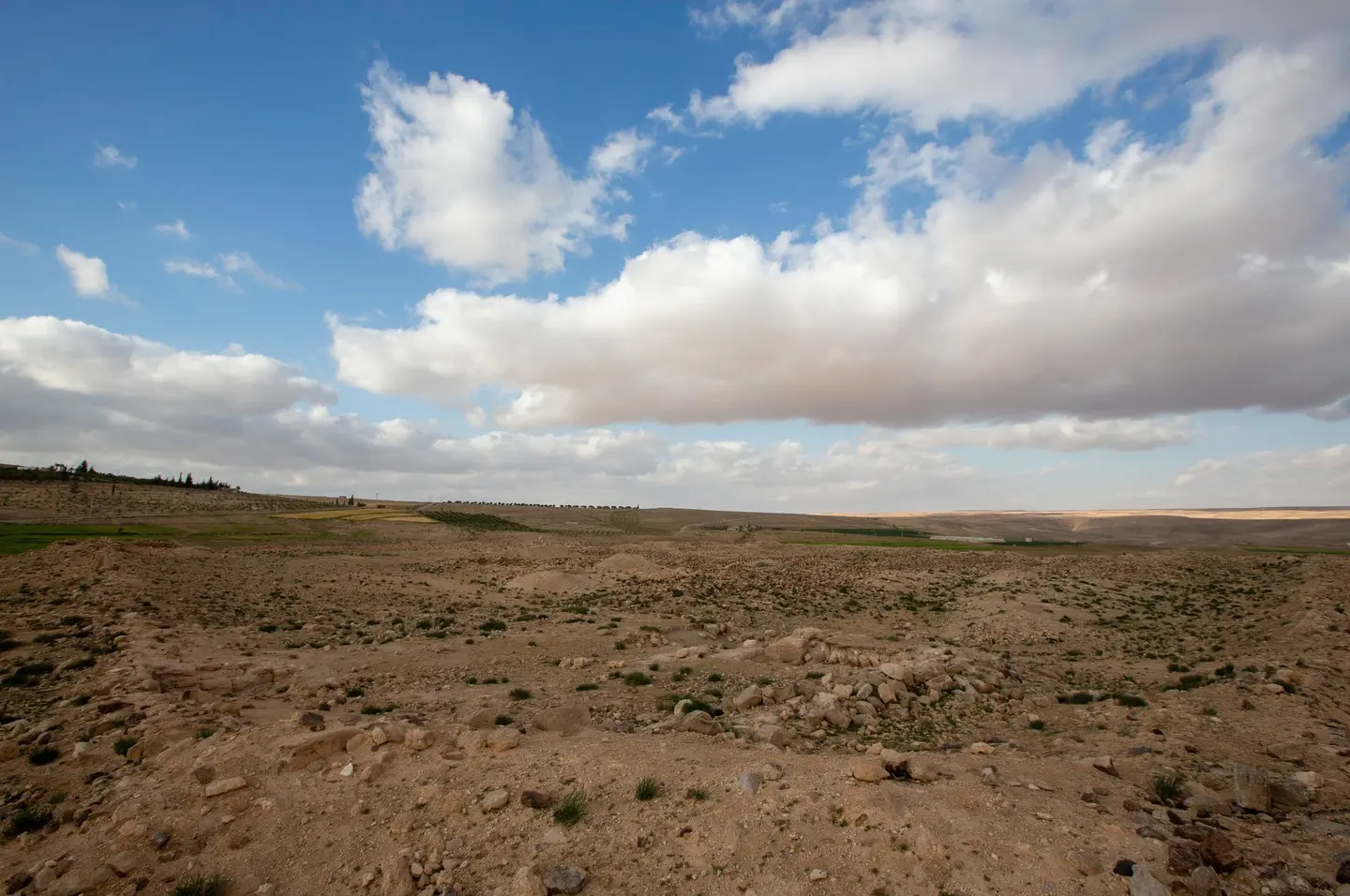
Tell Hesban rewards visitors who enjoy asking how a place changes over time. Its appeal comes from the relationship between remains of different periods, rather than a single building that explains the whole site. Plan a focused visit with informed interpretation and enough time to look beyond the first arch or column.
Tell Hesban, Tall Hisban or Heshbon?
The Madaba Plains Project uses Tell Hesban and Tall Hisban for the site associated with its Heshbon Expedition. Sharing both names can help when arranging a driver or guide. Confirm the archaeological-site pin and arrival point rather than relying only on a village name. Source: excavation project overview.
The project maintains a directions page. Treat published directions as a starting point, then verify the appropriate approach, parking and any arrangements required for your date. Avoid making an unconfirmed archaeological stop the final detour before an airport transfer.
Why the layers matter
The project dates the original expedition to 1968 and explains that excavators identified twenty-one occupation layers spanning biblical, classical and Islamic eras. Research subsequently broadened from a question about biblical identification to the study of the site’s long history and the people who lived there. Source: Madaba Plains Project.
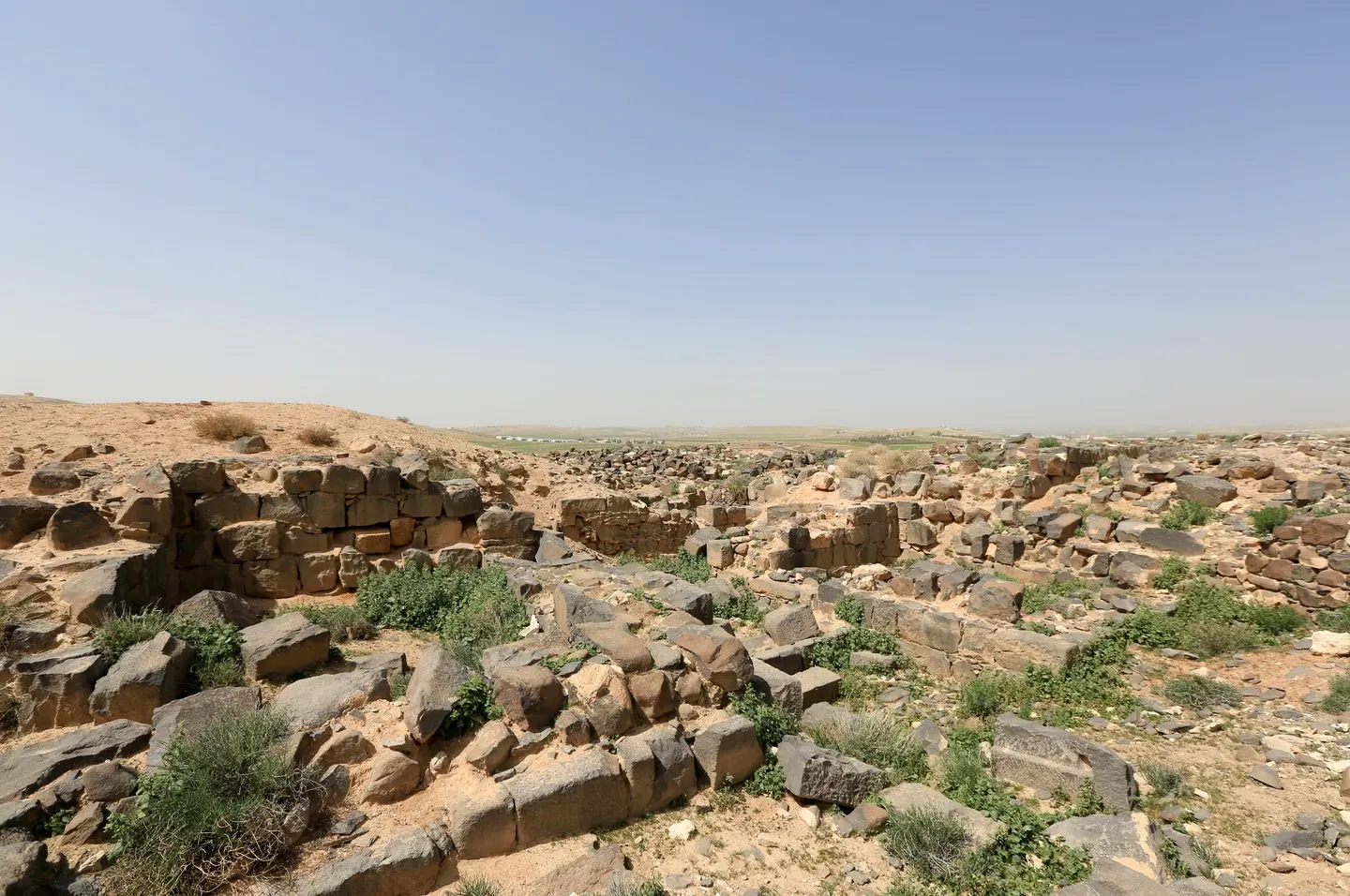
That is a useful theme for the visit. Ask your guide to identify two remains from different periods and explain the evidence for their interpretation. A reused stone, a later wall and an older foundation may share a small space without belonging to the same original building.
The site’s religious associations can be discussed alongside archaeology, while keeping textual tradition and excavated evidence distinct. A meaningful visit does not require turning an unresolved historical question into a certainty.
What to look for
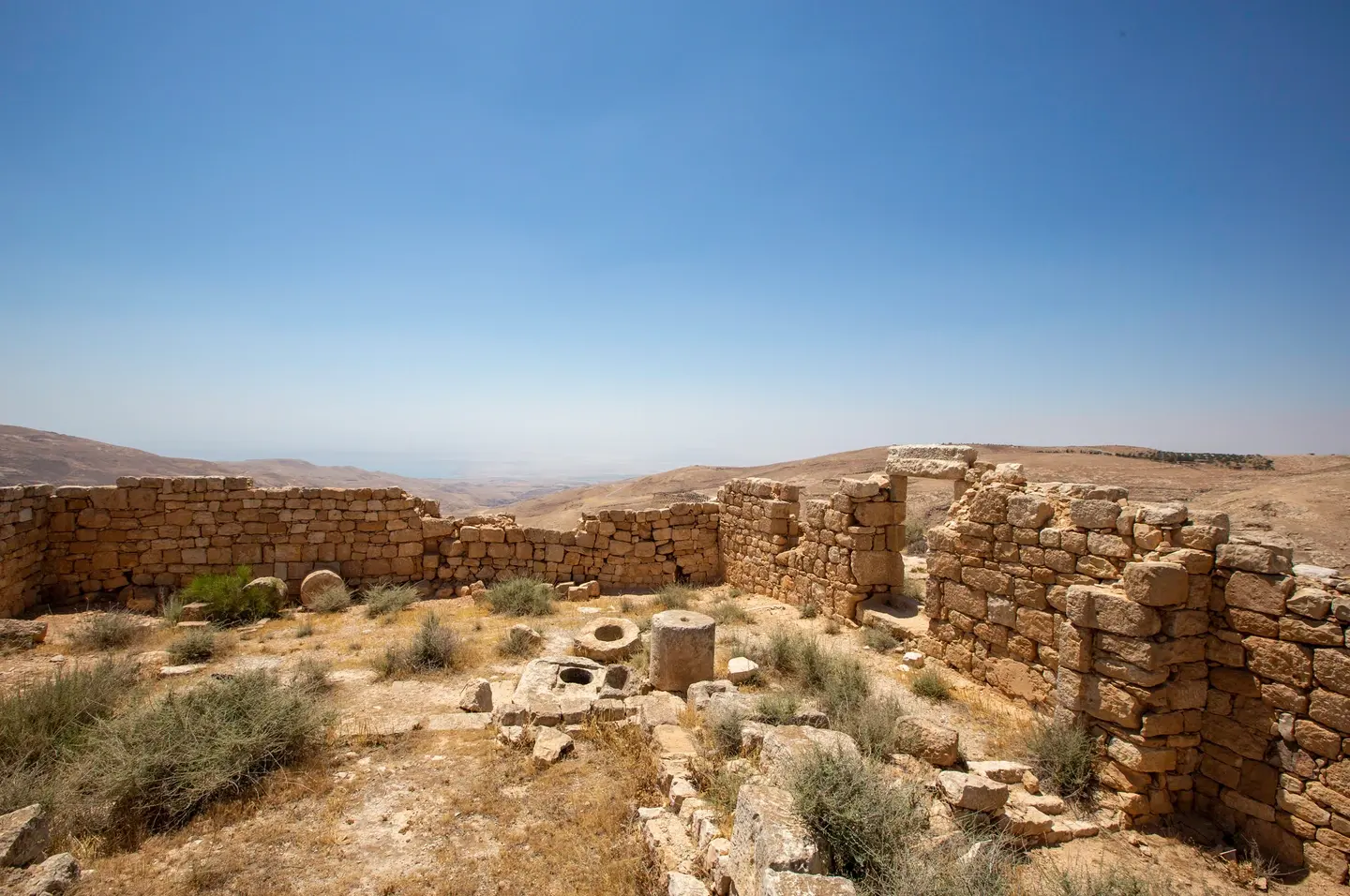
The project’s visitor highlights include an Iron Age reservoir wall, a Byzantine basilica, an early Islamic bath and the residence of a Mamluk-appointed governor. These are published interpretive highlights, not confirmation that every area is accessible today. Source: Tall Hisban highlights.
Choose a small number of features with your guide. At a water installation, ask about its relationship to the surrounding settlement. At later buildings, compare how rooms are arranged and which details help archaeologists understand their use.
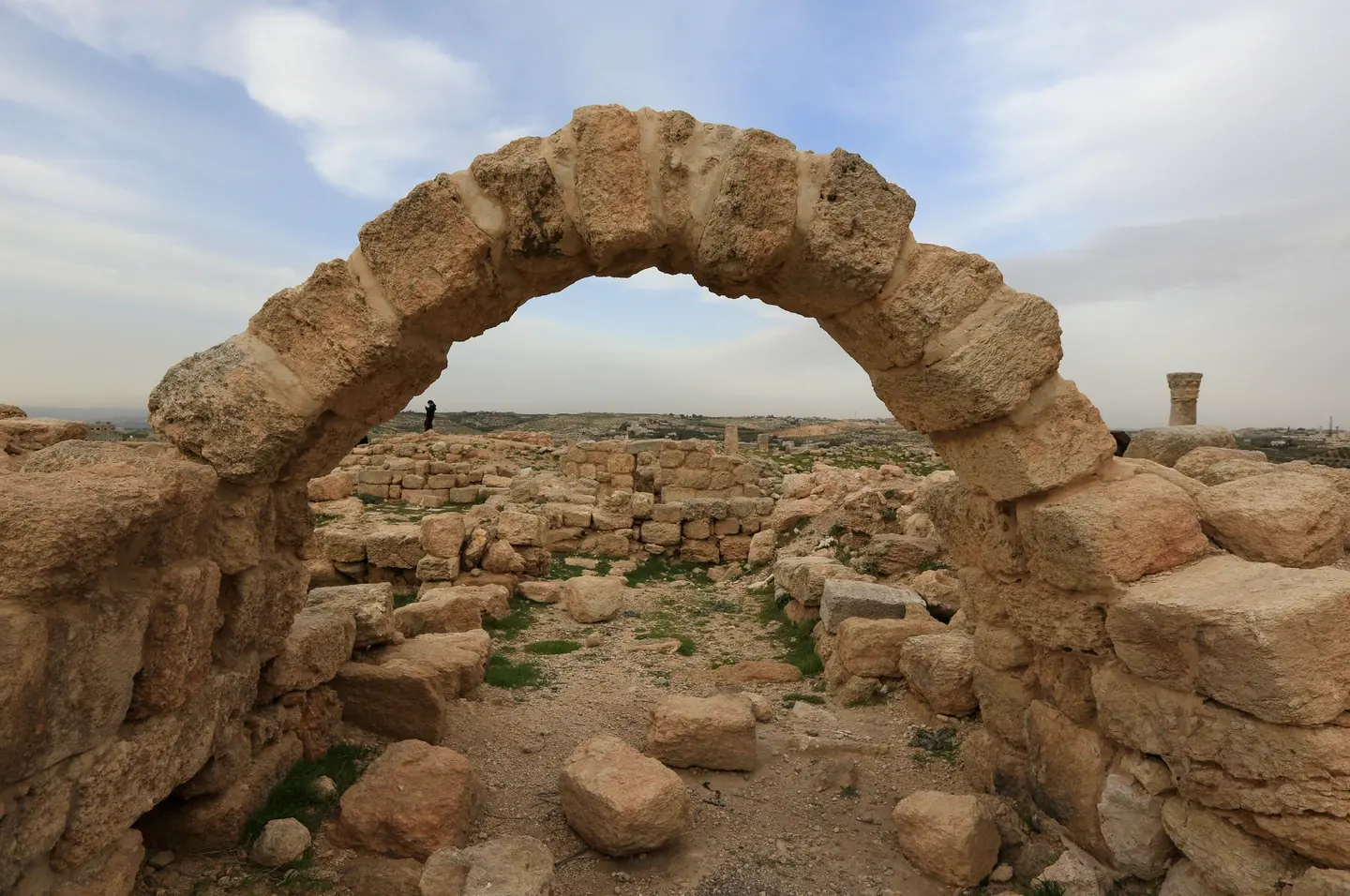
The featured photograph shows a surviving stone arch and surrounding remains in March 2013. It offers a view of the masonry, not a date for every visible element or an assurance about the condition of the visitor route now.
Confirm the practical arrangements
Current comprehensive opening hours, admission charges and accessibility information were not independently established in the reviewed material. Contact the project, a local guide or the relevant antiquities office before travelling specifically for a visit.
Ask where to meet, which parts of the site are open and how much walking the proposed route involves. Describe any difficulty with steps or uneven ground and request a plan that fits the whole group. Ask about toilets and drinking-water availability before assuming either is provided.
Carry water, sun protection and suitable footwear. Check the forecast and allow daylight for the visit and return journey. Leave a margin for time spent discussing the remains rather than planning only for the walk between them.
Visit with care
Stay on permitted routes, keep off walls and arches, and leave archaeological material where you find it. Enter caves or enclosed spaces only when access is explicitly allowed. Respect nearby residents and ask before photographing people.
For another archaeological subject in the region, read our Madaba mosaics guide. The getting around Jordan guide can help compare transport formats before you reserve a particular outing.
Sources checked on 15 November 2026. Project descriptions provide historical context; confirm current visitor access, fees and facilities directly.