Dhat Ras Temple: A Guide to an Ancient Village Stop Near Karak
Explore Dhat Ras Temple near Karak: what its surviving stonework reveals, how to plan a village stop and which access details to confirm before travelling.
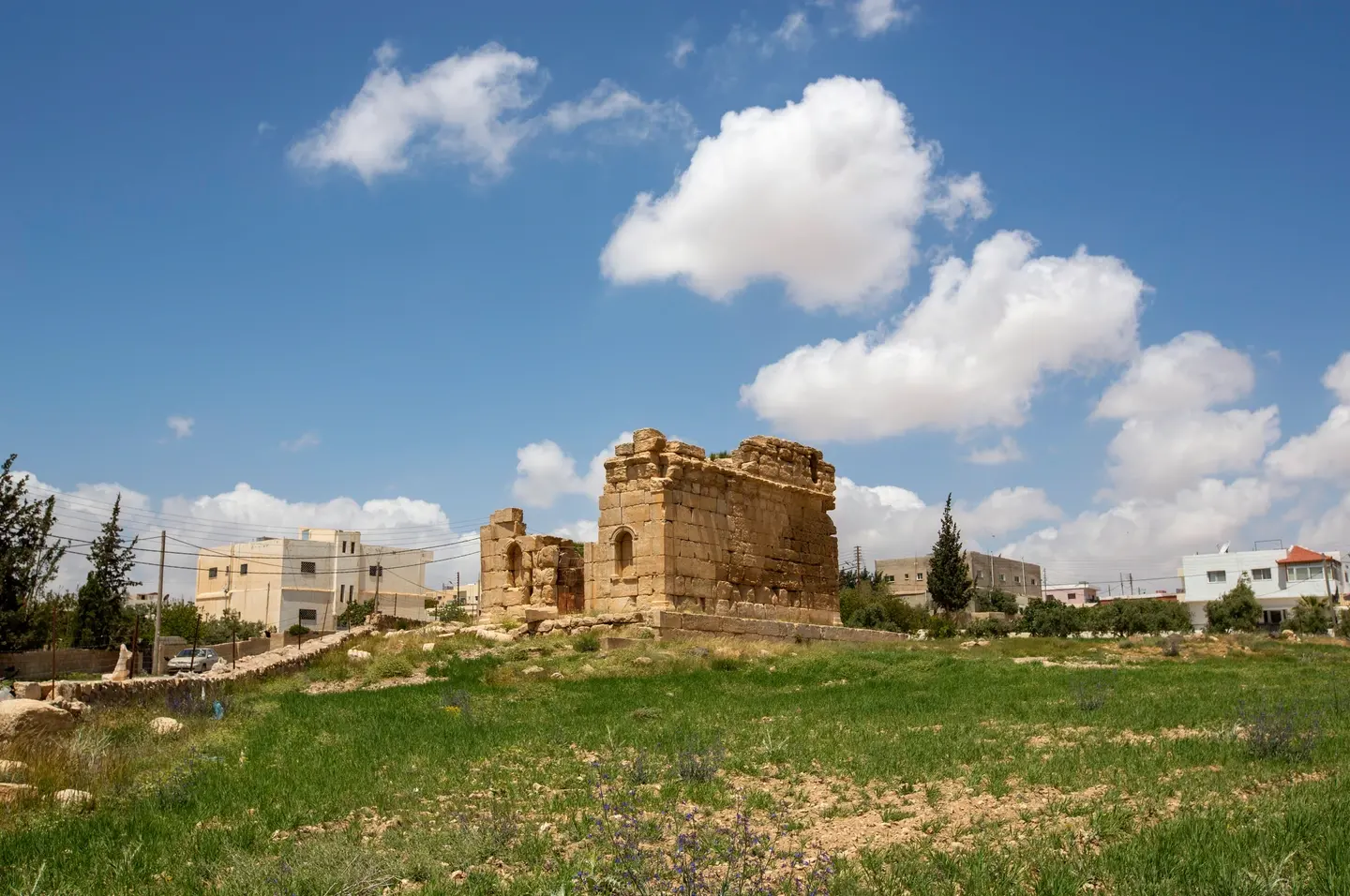
Dhat Ras Temple offers a different kind of archaeological stop from Jordan’s large, managed visitor sites. Its surviving stonework stands within a modern village, making the relationship between an ancient monument and everyday surroundings part of the visit. Consider it an optional addition to a Karak-area journey once you have confirmed access locally.
What is Dhat Ras Temple?
Archaeologist Terry W. Eddinger’s 2004 study identifies remains of three Nabataean or Roman-period temples at Dhat Ras. He describes the small temple as substantially surviving at the time of his research. That is useful historical context, rather than a guarantee of the monument’s condition today. Source: Near Eastern Archaeology.
The cautious period description matters. Avoid treating every ancient stone building here as a Byzantine church or assigning a precise construction date without supporting evidence. The temple is an opportunity to look at religious architecture outside the better-known monumental centres.
The featured photograph shows the temple in April 2013. It documents standing masonry, grass and surrounding houses at that date; it does not establish current vegetation, fencing or visitor arrangements.
What to look for in the stonework
Begin with the overall shape before moving closer. Notice the contrast between the height of the surviving walls and the lower remnants around them. Look for the size of individual blocks, the way courses meet and the surviving architectural details above the plain masonry.
Choose a position on permitted ground where you can see more than one face of the building. Comparing a broad wall with an adjoining elevation makes its volume easier to understand than taking only a tightly framed photograph.
If you visit with a guide, ask which elements are original, which have been repaired and what evidence supports the interpretation. A clearly explained uncertainty is more useful than a confident story attached to every opening or loose stone.
Confirm access before making the detour
We have not verified a current official opening timetable, admission price or staffed reception arrangement for this temple. Contact a local guide or your accommodation before travelling, and ask them to confirm the particular monument you intend to see.
Send the name “Dhat Ras Temple” and a map pin rather than requesting a general village stop. Ask where visitors should park, whether a gate or permission is involved and whether an exterior view is possible if entry is unavailable.
Keep the stop flexible. If access cannot be confirmed, build your day around an attraction with established visitor arrangements, such as Karak Castle, and treat Dhat Ras as an optional addition.
Give the village enough space
Arrange a drop-off that leaves entrances and local traffic clear. Ask before photographing residents, private courtyards or activity near homes. A monument visible from a road does not make every approach public.
Stay off ancient walls and do not move blocks to improve a photograph. Loose masonry and changes in ground level deserve attention even on a short visit. Wear shoes suitable for uneven surfaces and carry what you need rather than relying on facilities beside the monument.
For a thoughtful visit, spend a few minutes looking without a camera first. Note how the building sits among houses and roads, then choose an image that preserves that context.
Fit Dhat Ras into a Karak-area day
Discuss the full route with your driver before departure. Confirm the return journey, daylight available and which stops have dependable access. An ambitious list of small archaeological sites can leave little time to understand any of them.
Pairing architecture with the Karak Archaeology Museum can help broaden the day’s historical context, subject to confirming the museum’s own arrangements. Ask your guide to distinguish the periods represented at each stop.
Dhat Ras suits travellers who enjoy examining a single building and asking careful questions. Its value lies in looking closely at surviving evidence and its village setting.
Sources checked on 22 November 2026. The academic description and featured photograph are historical records; confirm current access, road conditions and visitor arrangements locally.